Updated October 2, 2026
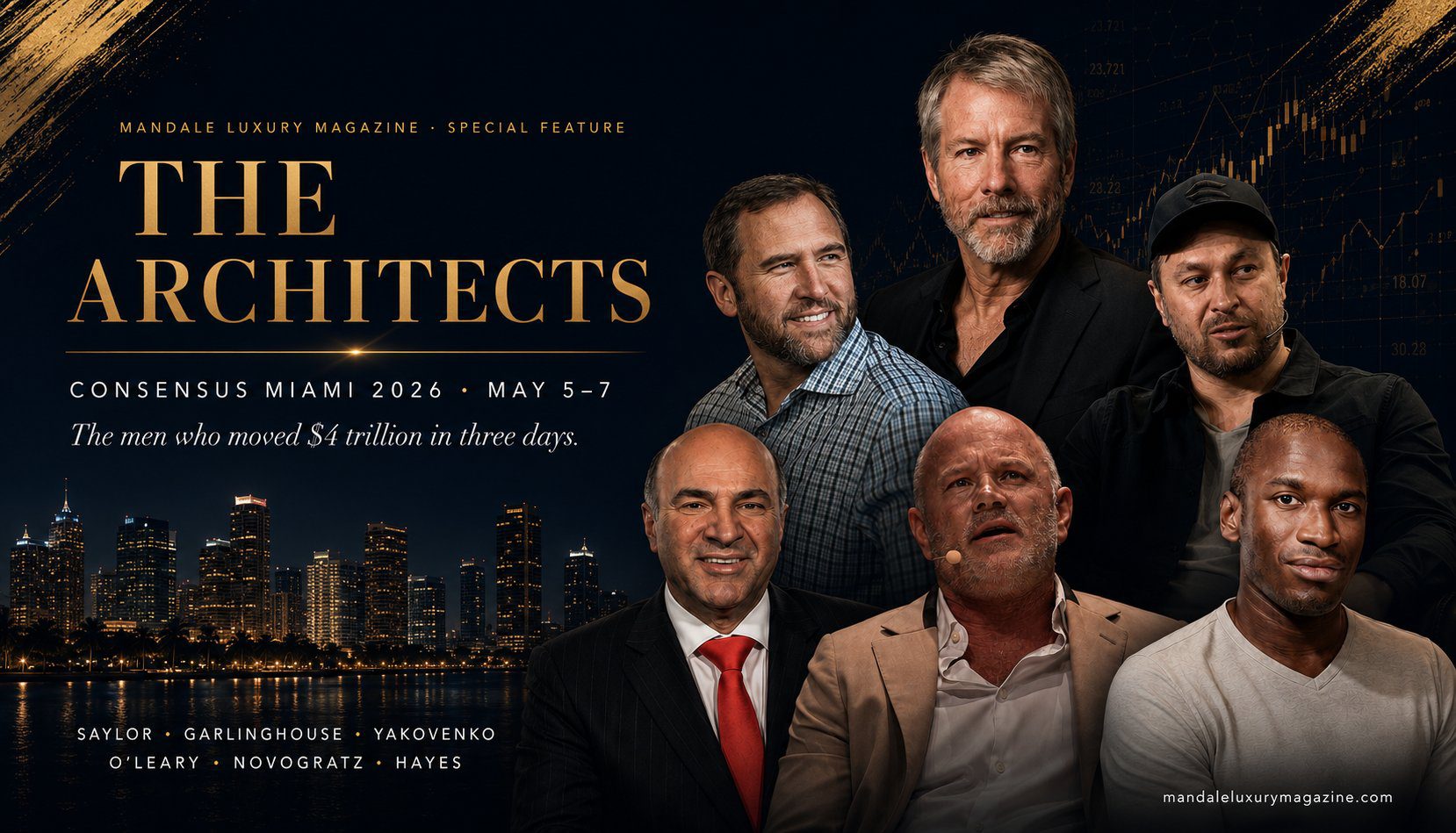 ” alt=”The Architects Consensus Miami 2026 — Michael Saylor Brad Garlinghouse Anatoly Yakovenko Kevin O’Leary Mike Novogratz Arthur Hayes — Mandale Luxury Magazine Special Feature”>
Consensus Miami 2026: Inside the Most Powerful Gathering in Crypto History — and What It Means for the Ultra-Wealthy
Twenty thousand founders, $4 trillion in assets, and three days that rewrote the rules of global finance. Mandale was there.
Consensus Miami 2026 (May 5–7, Miami Beach Convention Center) drew 20,000+ attendees from 100+ countries representing firms managing over trillion in assets. Key figures — Michael Saylor, Brad Garlinghouse, Anatoly Yakovenko, Arthur Hayes, Kevin O’Leary, Mike Novogratz — converged alongside the Formula 1 Grand Prix, making Miami the de facto capital of global digital finance. Crypto has shifted from fringe bet to foundational infrastructure; the billionaires who understood that first are now architects of the next economic order.
Mandale Luxury Magazine · Special Feature
The Architects of Consensus Miami 2026
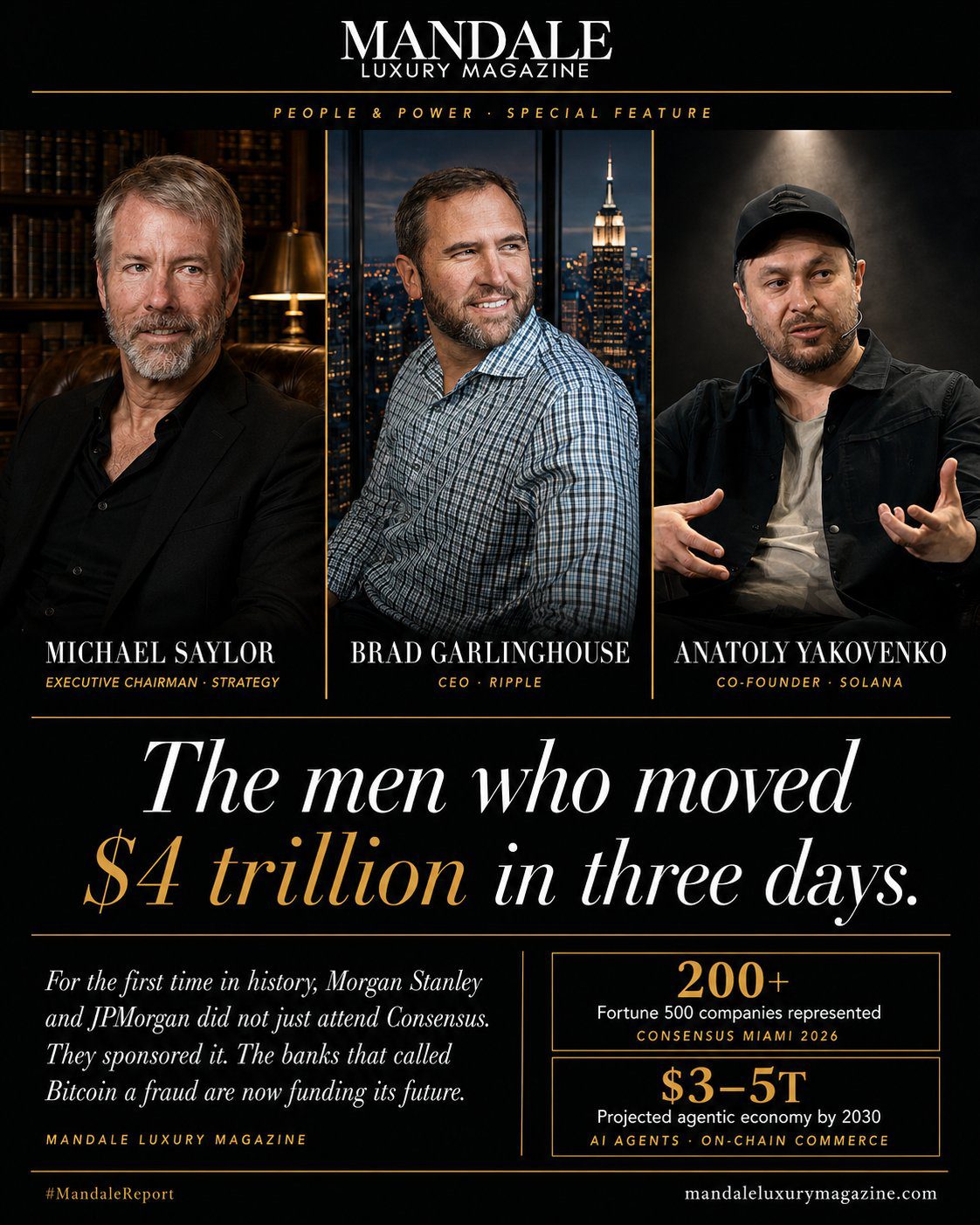 ” alt=”The Architects — Saylor Garlinghouse Yakovenko — Consensus Miami 2026 — Mandale”>
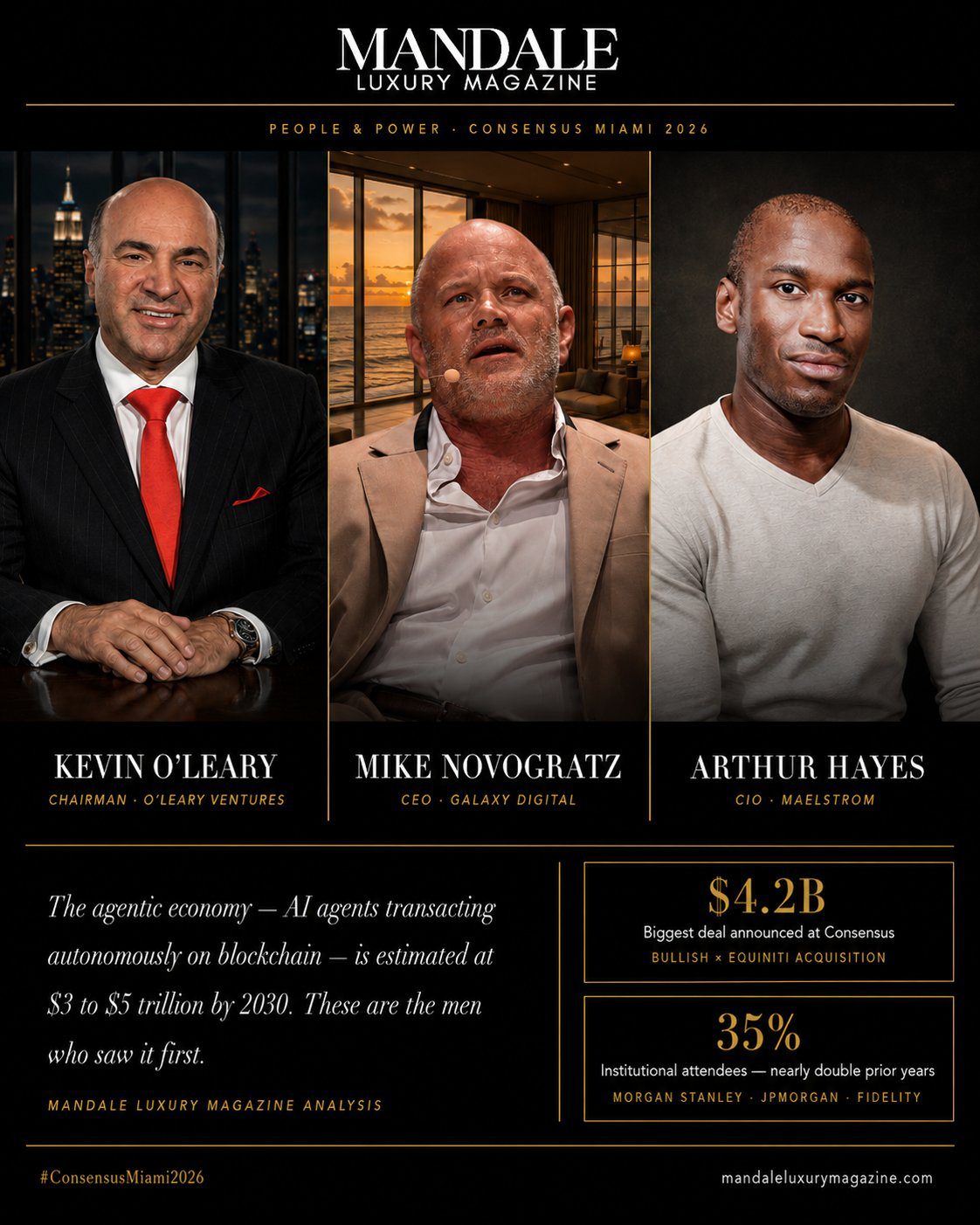 ” alt=”O’Leary Novogratz Hayes — Consensus Miami 2026 — Mandale”>
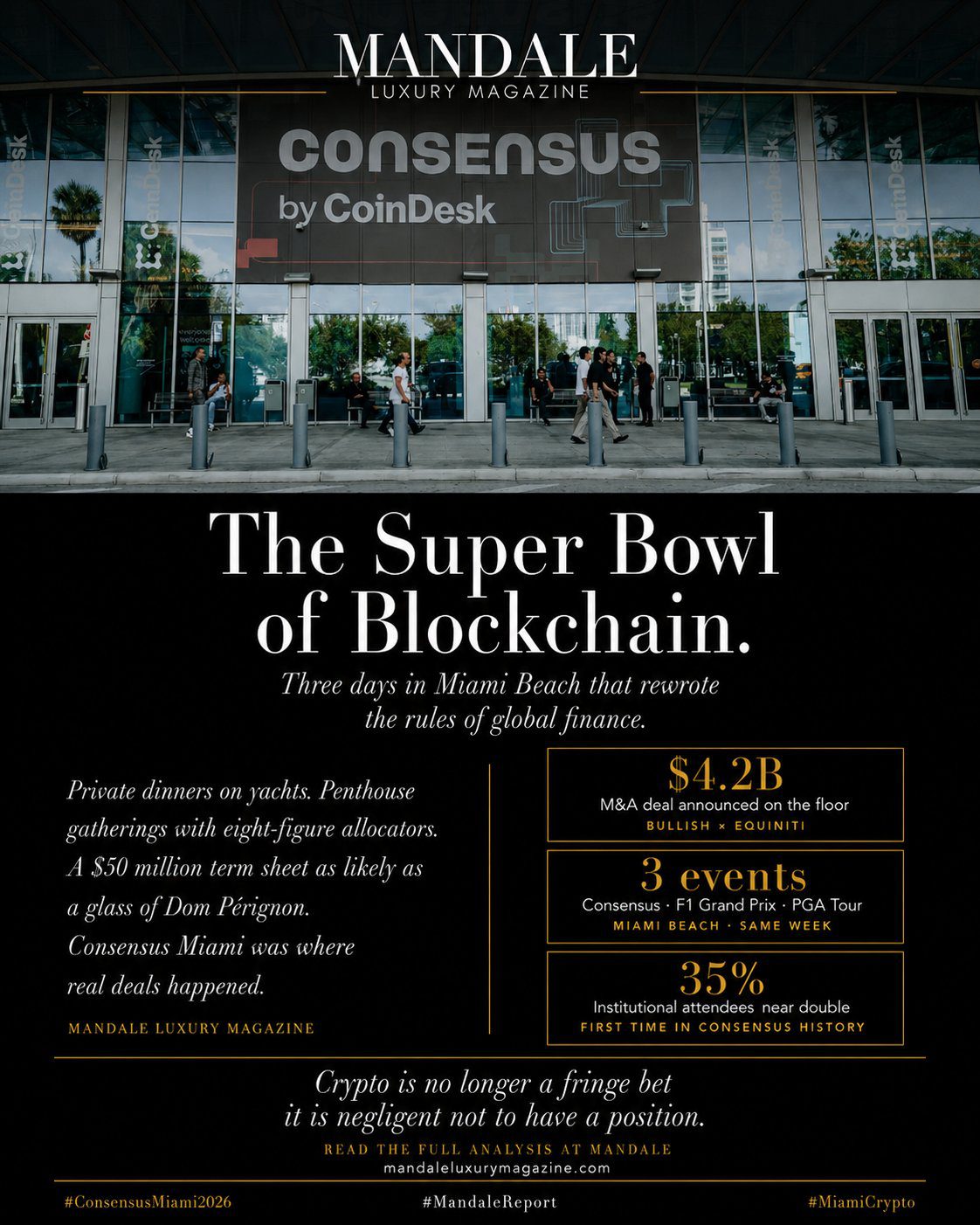 ” alt=”The Super Bowl of Blockchain — Consensus Miami 2026 — Mandale”>
Key Takeaways — Intelligence for Elite Decision-Makers
- →Institutional tipping point reached: Morgan Stanley and JPMorgan sponsored Consensus for the first time in history — Wall Street’s digital asset strategy has shifted from curiosity to commitment.
- →The $4.2 billion deal nobody saw coming: Bullish announced a landmark acquisition of Equiniti — the convergence of crypto infrastructure with traditional financial rails, made real.
- →Miami is permanently crypto’s capital: Simultaneous hosting of Consensus, Formula 1, and a PGA Signature event in a single week — a declaration of global status among ultra-wealthy power brokers.
- →The agentic economy is the next trillion-dollar frontier: AI agents transacting autonomously on blockchain rails — a market estimated at $3–$5 trillion by 2030.
- →Stablecoins crossed from speculative to sovereign: With legislation, PayPal, Mastercard, and government figures on stage, the stablecoin moment has definitively arrived for UHNWI portfolios.
- →The luxury-crypto crossover is accelerating: From Papi Steak to E11even to the Sagamore pool deck — wealth, culture, and crypto nightlife now operate as a unified ecosystem in Miami.
When $4 Trillion Walks Into a Room
There is a moment, every decade or so, when a gathering transitions from industry conference to genuine historical marker. Davos did it for global economic policy. Art Basel Miami did it for contemporary art as a financial asset class. And on May 5, 2026, Consensus Miami 2026 did it for the digital asset economy.
Over three days at the Miami Beach Convention Center, CoinDesk’s flagship annual event hosted more than 20,000 attendees from over 100 countries, including representatives from more than 200 Fortune 500 companies. This was not a crypto conference. This was the global summit of a new financial civilization.
The numbers alone demand respect. The firms represented collectively managed an estimated $4 trillion in assets. Institutional attendance nearly doubled, reaching 35% of total participants — the fastest institutional acceleration the digital asset space has ever recorded. For the first time, Morgan Stanley and JPMorgan were not just sending speakers — they were headline sponsors. That sentence should be read slowly by anyone who remembers when the world’s largest banks called Bitcoin a fraud.
The Architects: The Power Roster
Every edition of Consensus has its cast. But the 2026 Miami debut assembled a lineup that reads less like a conference speaker roster and more like a Forbes Power List brought to life on a single stage. These were not speakers there to promote — they were founders, chairmen, and senators there to decide.
Consensus Miami 2026 — The Power Roster
Six Voices That Defined the Week
Every great gathering has its defining voices — the minds whose presence transforms a calendar event into a cultural moment. At Consensus Miami 2026, six figures stood above the noise not merely because of their titles, but because of what they represented: the clearest proof that the digital asset economy has permanently arrived.
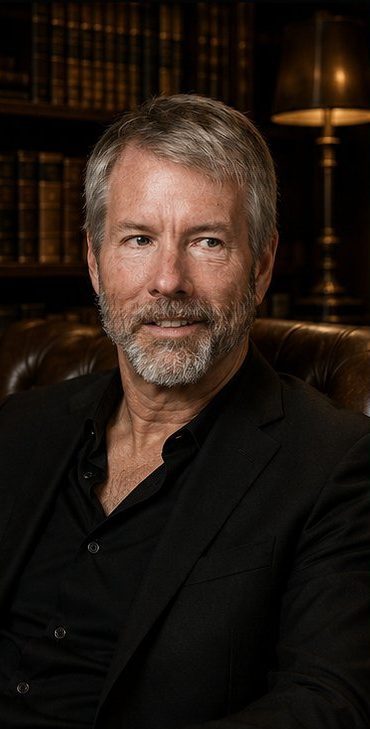 ” alt=”Michael Saylor Executive Chairman Strategy” style=”position:absolute!important;top:0!important;left:0!important;width:100%!important;height:100%!important;object-fit:cover!important;object-position:center 15%!important;display:block!important;”>
Michael Saylor did not arrive at Consensus Miami 2026 to make friends with the narrative. He arrived to advance it. The Executive Chairman of Strategy — the company that has accumulated more bitcoin on its corporate balance sheet than any other public entity in history — delivered a keynote that rattled markets before it was even finished. His disclosure that Strategy was actively considering selling portions of its vast bitcoin holdings to fund preferred stock dividends was not a retreat from conviction. It was the signal of something more sophisticated: a man who built the thesis now managing it like the institutional capital allocator he has become. Saylor’s presence at Consensus was not a cameo. It was a standard. Every founder in that room measured their own commitment against his.
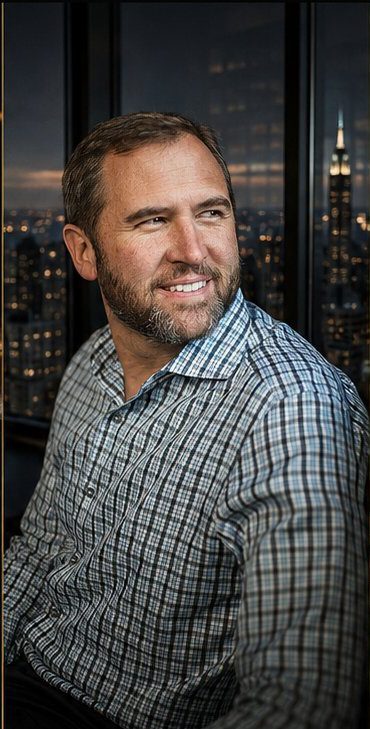 ” alt=”Brad Garlinghouse CEO Ripple” style=”position:absolute!important;top:0!important;left:0!important;width:100%!important;height:100%!important;object-fit:cover!important;object-position:center top!important;display:block!important;”>
There is a particular kind of authority that only comes from being right when everyone said you were wrong. Brad Garlinghouse, CEO of Ripple, has earned that authority in full. After years of navigating one of the most consequential regulatory battles in crypto history, Garlinghouse arrived at Consensus Miami 2026 not as a survivor but as a protagonist. His conversations around cross-border payment infrastructure — moving value across borders at a speed and cost that the legacy banking system cannot approach — were among the most substantive of the week. For the institutional attendees in the room, Garlinghouse represented something invaluable: proof that a crypto founder could go up against the world’s most powerful regulators and emerge with both the company and the vision intact.
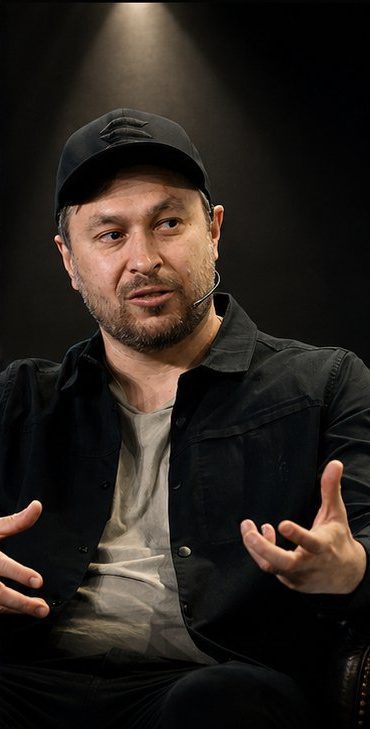 ” alt=”Anatoly Yakovenko Co-Founder Solana” style=”position:absolute!important;top:0!important;left:0!important;width:100%!important;height:100%!important;object-fit:cover!important;object-position:center top!important;display:block!important;”>
While others debated where blockchain was going, Anatoly Yakovenko has spent the last several years building the infrastructure it will travel on. The co-founder of Solana — the network that has quietly become the most important performance layer in the digital asset ecosystem — arrived at Consensus Miami 2026 during a week that also marked the U.S. return of Solana Accelerate, drawing over 3,000 builders, executives, and policymakers to the same city. Yakovenko does not speak in abstractions. He speaks in latency numbers, transaction throughput, and developer adoption curves. In a room full of people talking about the future, he was one of the few actually building it at scale.
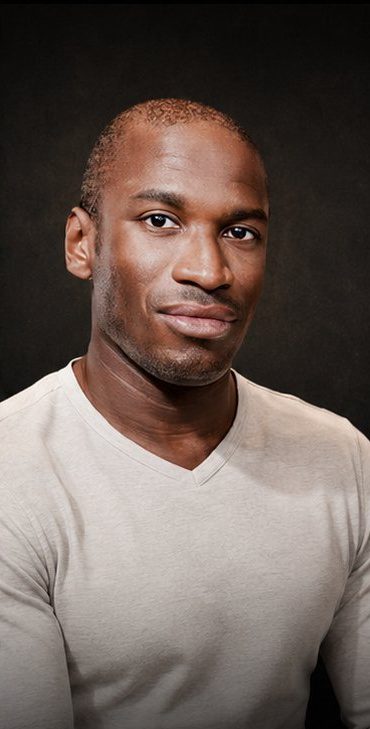 ” alt=”Arthur Hayes CIO Maelstrom” style=”position:absolute!important;top:0!important;left:0!important;width:100%!important;height:100%!important;object-fit:cover!important;object-position:center 10%!important;display:block!important;”>
If Consensus Miami 2026 had a most quotable mind, it belonged to Arthur Hayes. The former BitMEX CEO turned macro investor — now Chief Investment Officer of Maelstrom — has developed a mode of financial analysis that is equal parts rigorous and irreverent, and it found its audience at Consensus. Hayes articulated with characteristic precision why the convergence of AI agents and on-chain commerce represents not an incremental improvement but a categorical transformation in how capital moves through the global economy. For the ultra-wealthy observers in that audience, Hayes was doing what only the best financial analysts do: identifying where the money is going before it arrives.
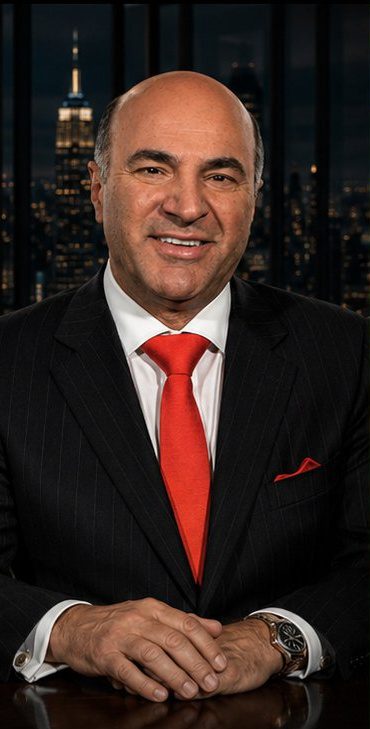 ” alt=”Kevin O’Leary Chairman O’Leary Ventures” style=”position:absolute!important;top:0!important;left:0!important;width:100%!important;height:100%!important;object-fit:cover!important;object-position:center top!important;display:block!important;”>
There are very few figures in finance who can speak simultaneously to a Shark Tank audience and a Morgan Stanley portfolio committee — and mean something to both. Kevin O’Leary is one of them. At Consensus Miami 2026, Mr. Wonderful brought his signature directness to conversations about AI, energy, and the geopolitical race for technological supremacy. His assertion that the country with the best AI wins all the wars — delivered with the casual certainty that makes him one of the most watched voices in financial media — cut through the technical noise of the week with the kind of clarity that changes how rooms think. O’Leary’s presence confirmed that mainstream credibility and crypto conviction are no longer opposing forces.
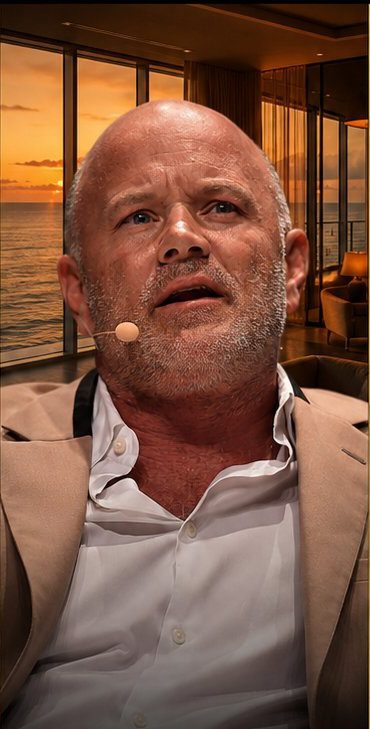 ” alt=”Mike Novogratz CEO Galaxy Digital” style=”position:absolute!important;top:0!important;left:0!important;width:100%!important;height:100%!important;object-fit:cover!important;object-position:center 15%!important;display:block!important;”>
Few people on earth have lived in both financial worlds with equal fluency. Mike Novogratz — Goldman Sachs partner, Fortress Investment Group president, and now founder and CEO of Galaxy Digital — is the rare figure who can translate the language of traditional finance into the vocabulary of digital assets without losing either audience. At Consensus Miami 2026, Novogratz represented the institutional bridge that the entire event was celebrating: the moment when the money that built the old financial system decided to fund the new one. Galaxy Digital’s growing role as a counterparty to institutional crypto flows made his presence at this particular Consensus — the first where JPMorgan and Morgan Stanley were headline sponsors — feel less like coincidence and more like a closing of the circle he helped draw.
“Miami will be the launchpad for the institutions, founders, and governments building the future and accelerating the next big wave in digital asset innovation.”— Michael Lau, Chairman of Consensus by CoinDesk
What Made Consensus Miami 2026 Different
The theme of the 2026 edition was Convergence — and every panel, summit, and side conversation was shaped by that singular idea: blockchain, traditional finance, and emerging technology are no longer parallel tracks. They have merged.
Six stages. Four summits — including an Institutional Summit, a Capital Markets Summit, and a Regulation & Policy Summit. Over 200 sessions across dedicated tracks for Stablecoins, Tokenization, and Prediction Markets. U.S. Senator Kirsten Gillibrand debating the ethics provisions of the Clarity Act on the same floor where Coinbase’s Paul Grewal was discussing crypto legal frameworks — that kind of regulatory density had never existed at a crypto event before.
Charles Schwab was at Consensus for the first time ever, actively preparing the launch of Schwab Crypto for its millions of retail investors. Fidelity returned. For UHNWI family offices, sovereign wealth allocators, and the next generation of elite founders: a digital asset allocation is no longer adventurous — it is negligent not to have one.
The $4.2 Billion Deal That Defined the Conference
No event of this magnitude arrives without a headline announcement. Bullish announced a $4.2 billion acquisition of Equiniti — positioning the digital asset exchange as a builder of end-to-end infrastructure for tokenized securities. This was the first time a multi-billion-dollar M&A transaction was unveiled at Consensus, signaling the event’s definitive transition from conference to deal-making arena.
This is precisely the category of deal-making intelligence that separates those who attend Consensus from those who read about it afterward. And it is precisely why Mandale Luxury Magazine covers this universe — because the intersection of extraordinary wealth, visionary technology, and elite culture is where the most consequential stories of the next decade will be written.
Why Miami — and What It Means for the City
Miami is now home to a critical mass of UHNWI crypto holders, Latin American wealth seeking dollar-denominated digital assets, and the kind of entrepreneurial energy that needs warm weather and no state income tax to thrive.
The week of May 5 was a convergence of three global events: Consensus, the Formula 1 Miami Grand Prix, and a PGA Tour Signature event. For the ultra-wealthy — who operate comfortably across all three worlds — Miami had finally delivered what no other city on earth could: a single week that served every dimension of their lives at once.
The Social Circuit: Where the Real Deals Were Made
Consensus Miami understood something its predecessors occasionally forgot: in the world of ultra-high-net-worth individuals, the after-party is part of the agenda. An opening party at the Sagamore pool deck. A networking dinner at Papi Steak. An evening at the legendary E11even. A closing celebration at the National Hotel pool deck.
Beyond the official circuit, hundreds of satellite events animated every corner of South Beach and Brickell — private dinners on yachts, penthouse gatherings with eight-figure allocators, curated tastings where a $50 million term sheet was as likely as a glass of Dom Pérignon. This is the economy that Mandale was built to document: the luxury layer of serious wealth creation, where culture, capital, and ambition share the same table.
Consensus Miami 2026 — Strategic Metrics
| Metric | Industry Benchmark | Consensus Miami 2026 | Mandale Insight |
|---|---|---|---|
| Total Attendees | 5,000–10,000 | 20,000+ | 2–4x industry average — comparable to Davos |
| AUM Represented | $500B est. | $4 Trillion | Full institutional convergence confirmed |
| Institutional % | 10–15% (2023) | 35% | Near-doubling — TradFi allocation is now policy |
| Countries | 40–60 | 100+ | Sovereign wealth now present |
| Largest Deal | No headline M&A | $4.2B Bullish / Equiniti | First M&A of this scale at Consensus |
| Speaker Quality | Industry founders | U.S. Senators, Fortune 500 CEOs | Policy and capital are now inseparable |
The most underreported story of Consensus Miami 2026 is not the $4.2 billion deal, the institutional attendance record, or any single keynote. It is this: the social infrastructure surrounding the event — the dinners, the pool decks, the satellite gatherings — has matured into a parallel deal-making ecosystem operating with the same gravity as the official programme. For founders seeking capital, executives seeking partnerships, and brands seeking elite positioning, being present in Miami during Consensus week is now a prerequisite for serious participation in the next chapter of the digital economy. Mandale Luxury Magazine exists at precisely this intersection — and we will be there.
Frequently Asked Questions
What is Consensus Miami 2026 and why does it matter for crypto billionaires?
Consensus Miami 2026 is CoinDesk’s flagship annual conference, held May 5–7 at the Miami Beach Convention Center — the most important gathering for digital asset wealth in the Americas. It matters because $4 trillion in assets and 20,000+ elite founders, executives, and policymakers converge in one place to shape the next cycle of the global economy.
Who were the most powerful speakers at Consensus Miami 2026?
The most consequential figures included Michael Saylor (Strategy), Brad Garlinghouse (Ripple), Anatoly Yakovenko (Solana), Arthur Hayes (Maelstrom), Kevin O’Leary (O’Leary Ventures), and Mike Novogratz (Galaxy Digital). U.S. Senator Kirsten Gillibrand and CFTC Chairman Michael Selig also took the stage — the deepest government integration in the conference’s history.
What was the biggest announcement at Consensus Miami 2026?
The defining deal was Bullish’s $4.2 billion acquisition of Equiniti, announced on the conference floor — the first time a multi-billion-dollar M&A transaction was unveiled at Consensus.
Why is Miami the capital of crypto in the United States?
Miami has attracted critical mass of crypto wealth through zero state income tax, Latin American capital inflows, and deliberate policy positioning. The May 2026 week — simultaneously hosting Consensus, Formula 1, and a PGA Signature event — confirmed Miami as the only city capable of serving the full lifestyle spectrum of the ultra-wealthy crypto class.
What does the institutional surge mean for UHNWI investors?
Institutional attendees represented 35% of total participants — nearly double prior years — managing a collective $4 trillion. The risk calculus has permanently shifted: digital asset allocation is now standard practice among the world’s most sophisticated capital allocators.
What is the agentic economy and why did it dominate Consensus 2026?
The agentic economy refers to AI agents that transact autonomously on blockchain infrastructure. At Consensus 2026, this market was estimated at $3–$5 trillion by 2030 — the next phase of value creation after DeFi and stablecoins.
Which luxury venues hosted the Consensus Miami 2026 social circuit?
Official events included the Sagamore pool deck, Papi Steak, E11even, and the National Hotel pool deck. Hundreds of satellite events across South Beach and Brickell extended the social universe.
Will Consensus return to Miami in 2027?
Yes. Consensus Miami 2027 is confirmed for May 4–6, 2027 at the Miami Beach Convention Center.
Related Articles — People & Power · Mandale Luxury Magazine
Ken Griffin: How the $51 Billion Citadel Founder Quietly Made Miami His Empire’s New Capital Michael Saylor — The Bitcoin Billionaire Rewriting Corporate Treasury Brad Garlinghouse and the Ripple Revolution: Miami’s Most Powerful Fintech CEO Anatoly Yakovenko: How Solana’s Co-Founder Is Building the Internet of MoneyPhoto Credits
M. Saylor / Wikimedia Commons / CC BY 3.0 · B. Garlinghouse / Wikimedia Commons / CC BY-SA 2.0 · A. Yakovenko / TechCrunch / Wikimedia Commons / CC BY 2.0 · K. O’Leary / Wikimedia Commons / CC BY 2.0 · M. Novogratz / Wikimedia Commons · A. Hayes / Courtesy: Maelstrom · Consensus venue / Courtesy: CoinDesk · Backgrounds enhanced for editorial use by Mandale Luxury Magazine.
For the operational analysis of how this crypto-wealth migration translates into Miami real estate transactions, see Miami’s Quietest Billionaires of 2026.