Casa Coppelle: Jacques Garcia’s only dining room in Italy, steps from the Pantheon
Behind a quiet square two minutes from the Pantheon, a Roman and his French wife turned a neighborhood trattoria into a salon of velvet, lacquer and botanical prints
They opened in 2009, closed five years later, and persuaded the decorator of Hôtel Costes to dress the rooms. What reopened in 2015 is the only address Jacques Garcia has signed in Italy, and the Michelin Guide Italia 2026 lists it among the city’s selected restaurants.
Casa Coppelle is a 70-seat restaurant at Piazza delle Coppelle 49, in Rome’s Sant’Eustachio district, open for dinner only, Tuesday to Sunday from 18:30 to midnight. It was founded in 2009 by Omar Capparuccini, a Roman, and Rachele Guenot, who grew up in Lorraine, and its interiors are the work of the French decorator Jacques Garcia, who has described it as his only project in Italy.
Every room in this house carries the fingerprints of a marriage. Omar grew up in Rome; Rachele, an art director by training, arrived from northeastern France and never left. For five years they ran the place as a house of Roman cooking with a French accent, and the room filled with families on Sunday afternoons.
A Parisian house, on a Roman square
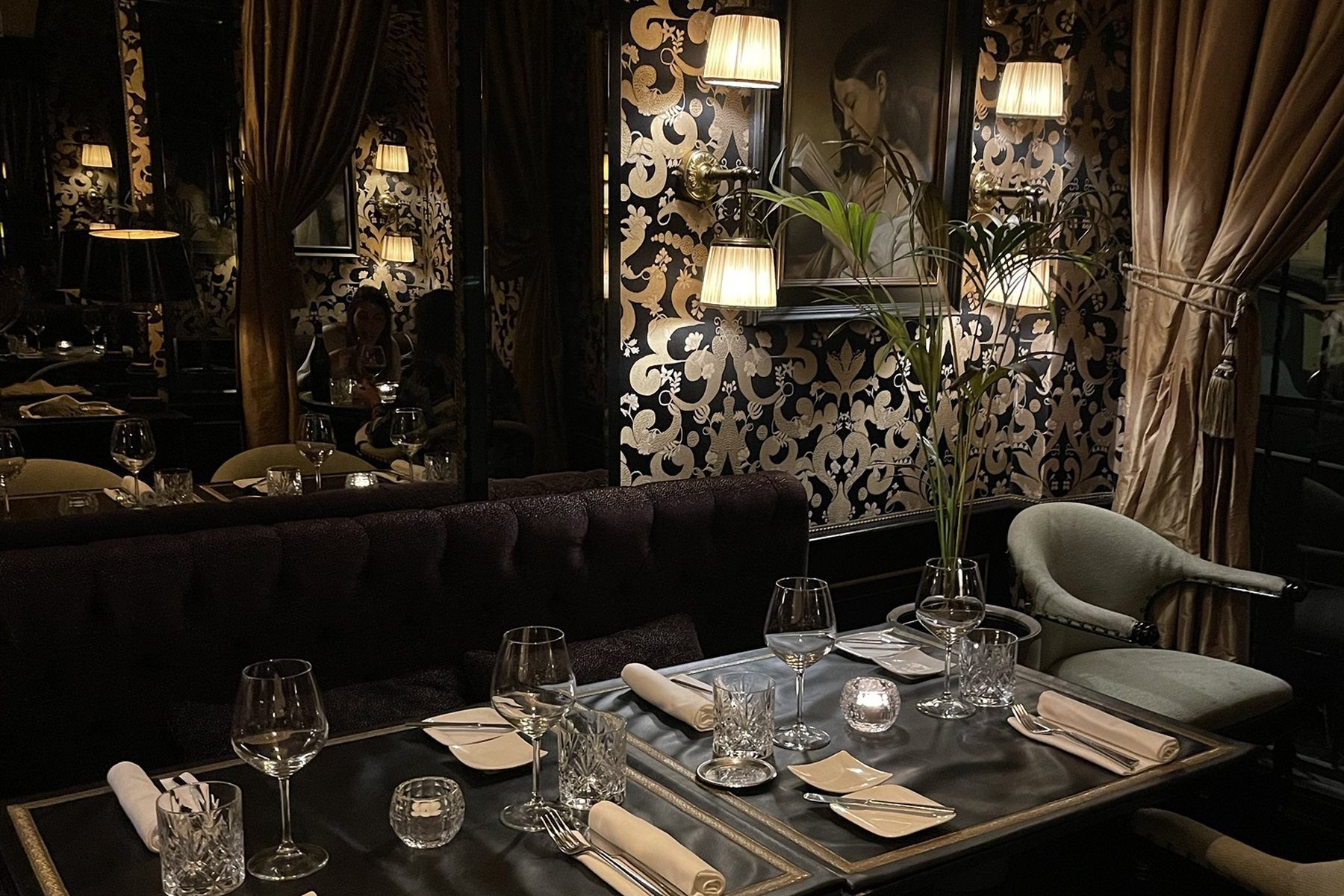
The decisive move came in 2014. Rachele admired the work of Jacques Garcia, the decorator behind Hôtel Costes in Paris, La Mamounia in Marrakech and the NoMad in New York, who has also restored rooms at the Louvre and Versailles. She pursued him until he agreed to a meeting in Paris, and he took the commission. That summer the couple closed, rebuilt the kitchen, and let him dress the rooms in black lacquer, claret velvet, Lyon-style damask and faithful copies of 17th and 18th century portraits.
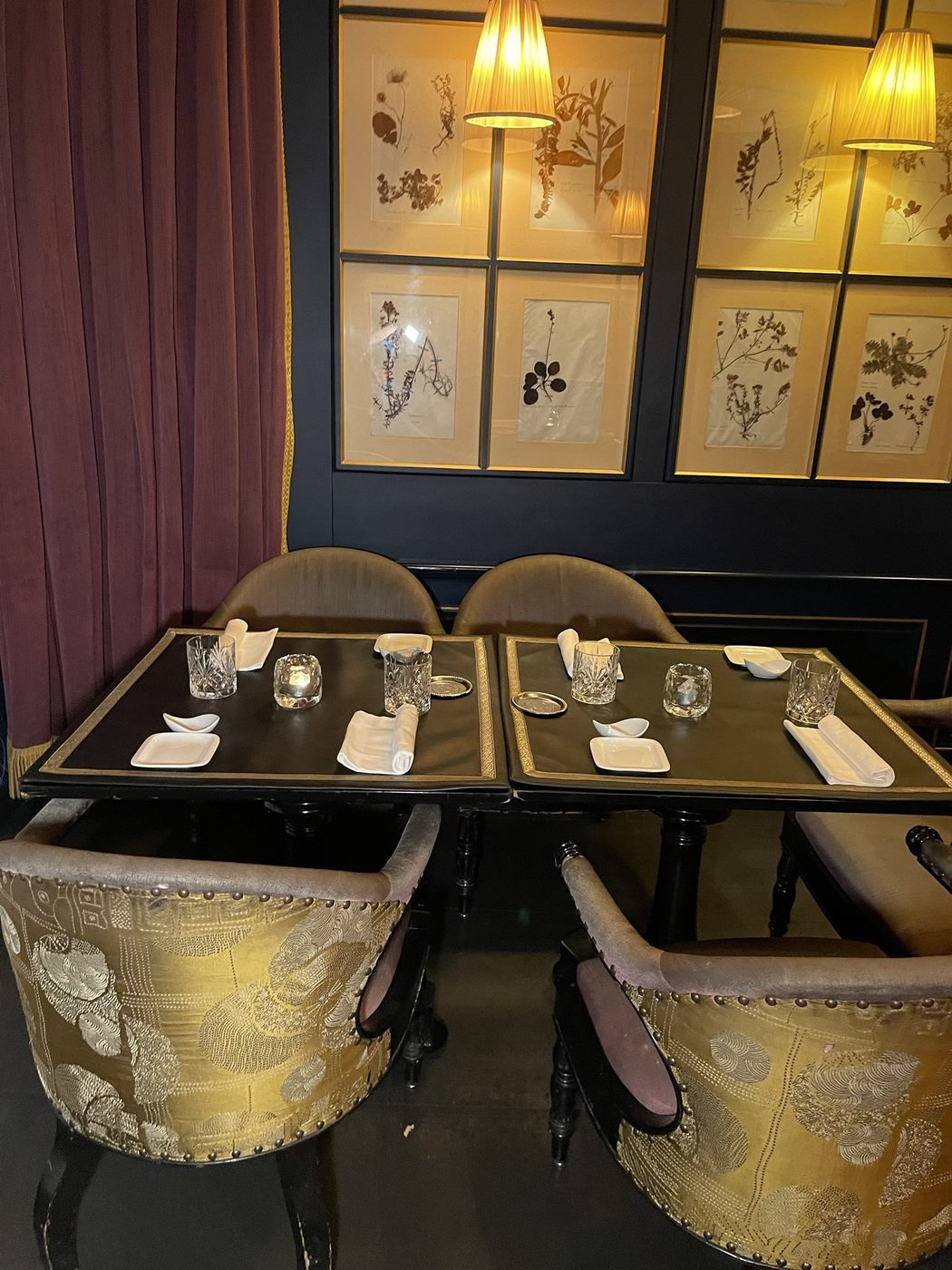
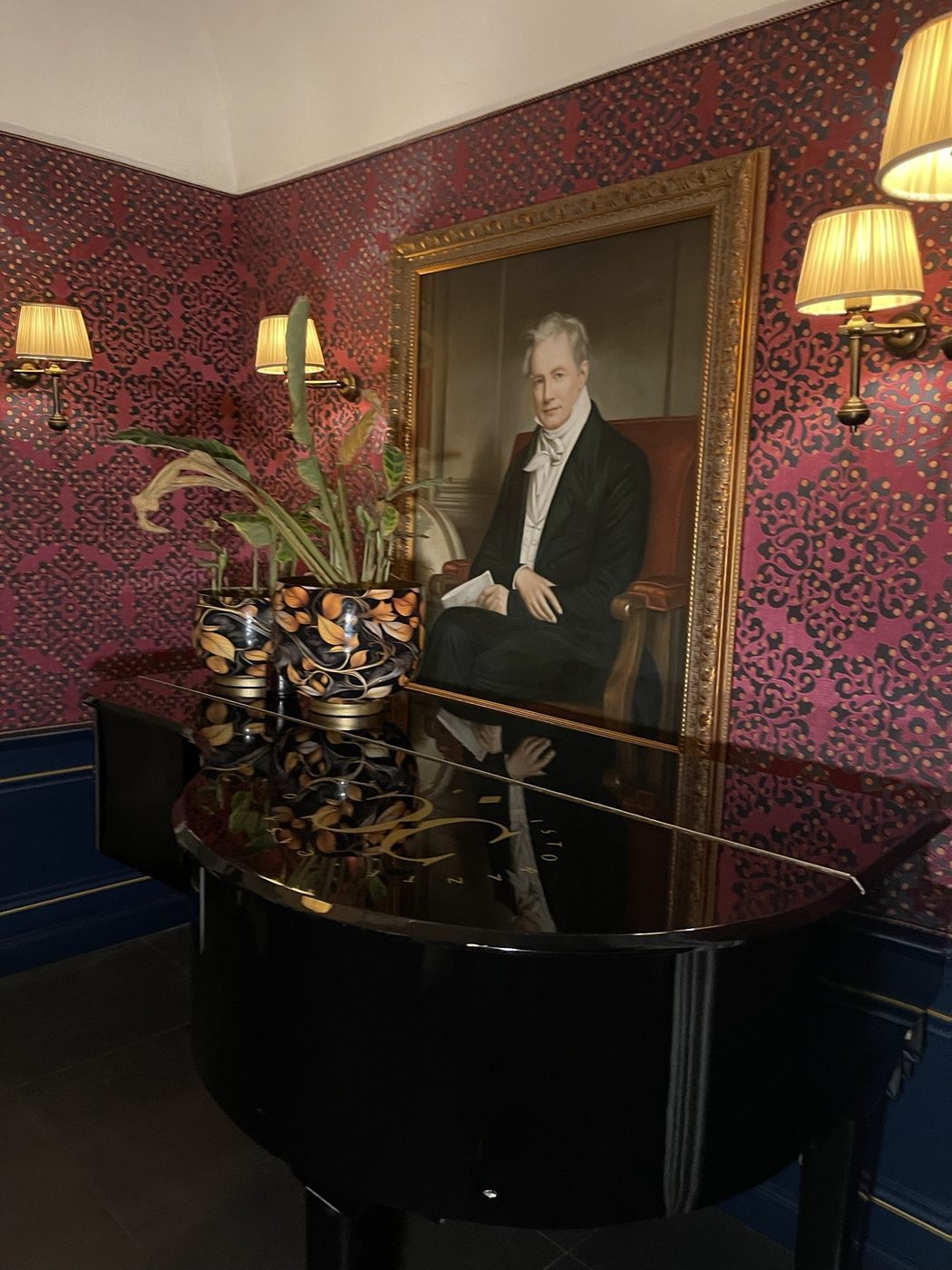
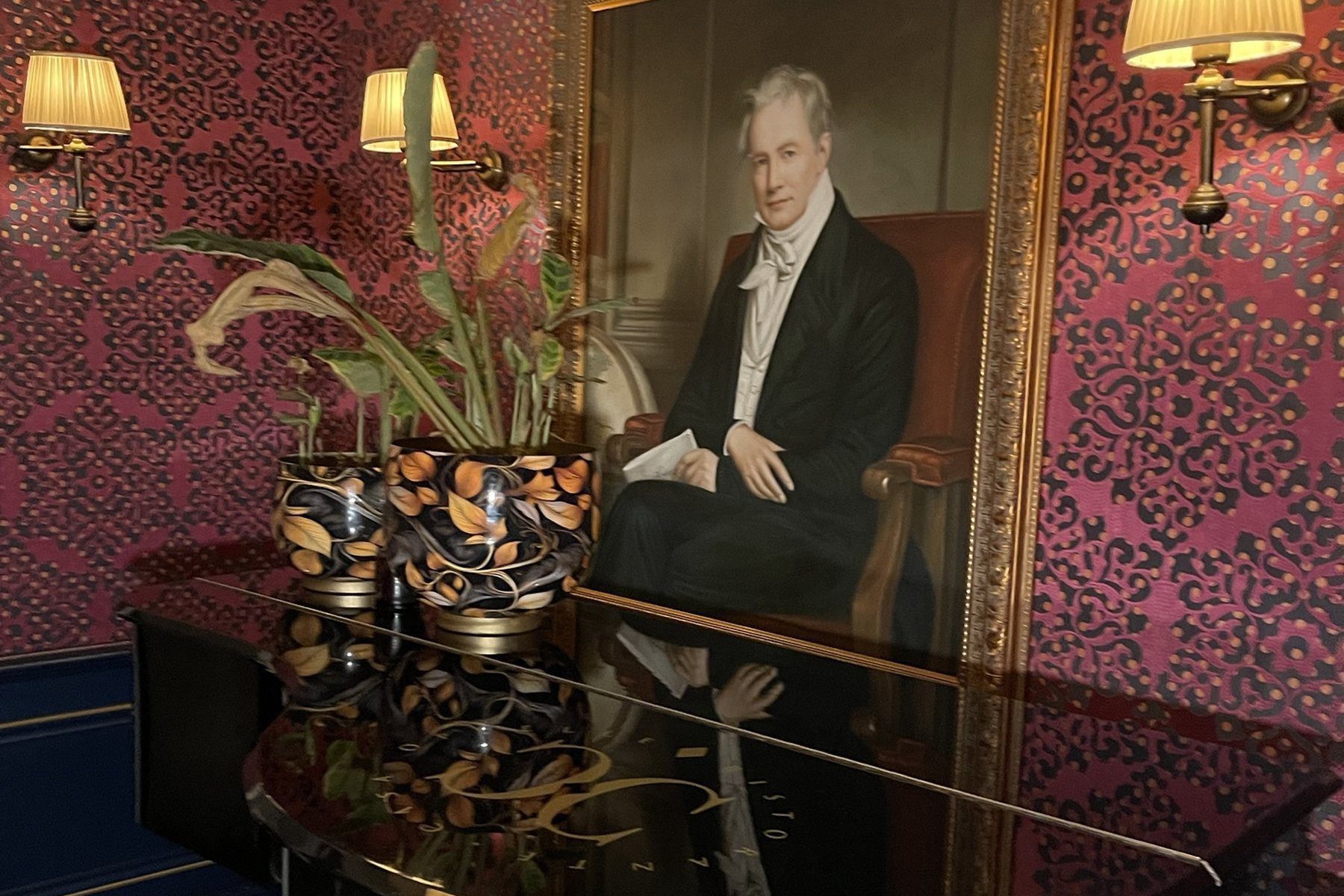
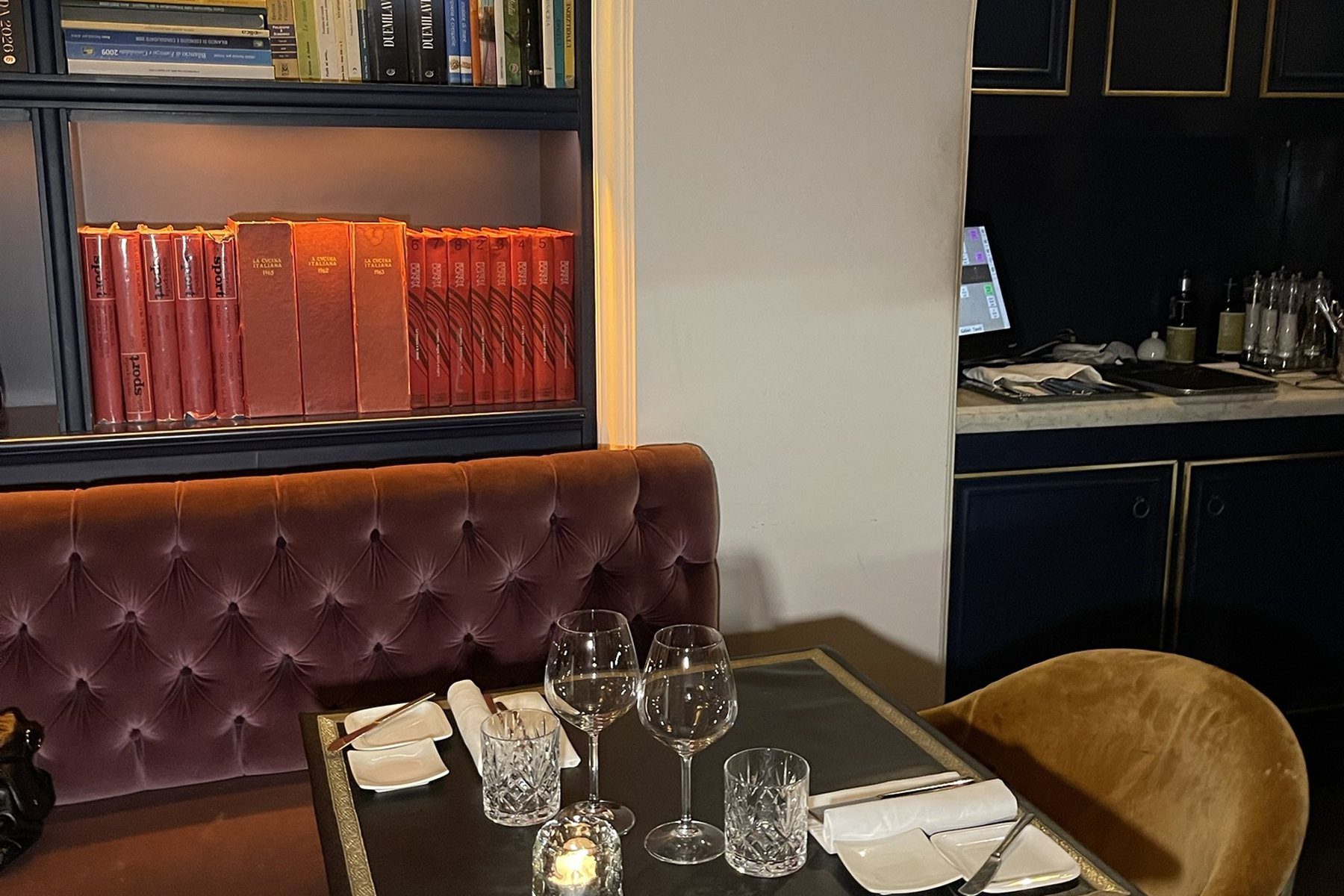
Garcia did not design a dining room. He designed a sequence of them, and the Michelin inspectors describe the result as intimate salons with different themes. The Herbier: black-lacquered tables edged in gilt, tub chairs in gold brocade, claret velvet curtains and walls lined with framed pressed-plant plates. The Library: a nook of tufted aubergine velvet beneath shelves of bound volumes of La Cucina Italiana from the 1960s. The Portrait Gallery: red damask, brass sconces, oil portraits in heavy gilt frames and a black grand piano. The Boudoir: black and gold, reserved for the five-course tasting menu.
Rome has a thousand places to eat well. It has exactly one room signed by Jacques Garcia.
Named after the cask makers
Piazza delle Coppelle takes its name from the coppelle, small wooden casks of about five liters that Roman vendors once filled with water from the Acqua Acetosa spring and the Tiber, and later with wine and vinegar. The word descends from the Latin cupa, a barrel. A papal bull of Honorius III already calls the parish church “de Cupellis” in 1222, so the cask-makers were here eight centuries ago.
That church, San Salvatore alle Coppelle, still anchors the square. Its Romanesque bell tower dates to the pontificate of Celestine III, in the 1190s, and a marble plaque on its flank, dated 1195, is often cited as the first public inscription in Rome written in the vernacular rather than Latin. The church was rebuilt in 1750 for the Jubilee by Carlo De Dominicis. Behind it, a small fruit and vegetable market has set up for generations, and Casa Coppelle sits on this quieter side, close enough to the Pantheon to hear its crowds and far enough not to see them.
Eat the Roman-French way
Our table was set in the Herbier, against the claret curtain. The setting is theatrical without being loud: the room is lit almost entirely by pleated silk lamps and a single cut-glass tealight per table, so the gilt edges of the tables and the botanical frames catch the light and the rest falls into shadow. Every course was presented at the table by the maître, who named the dish and its parts before stepping back.
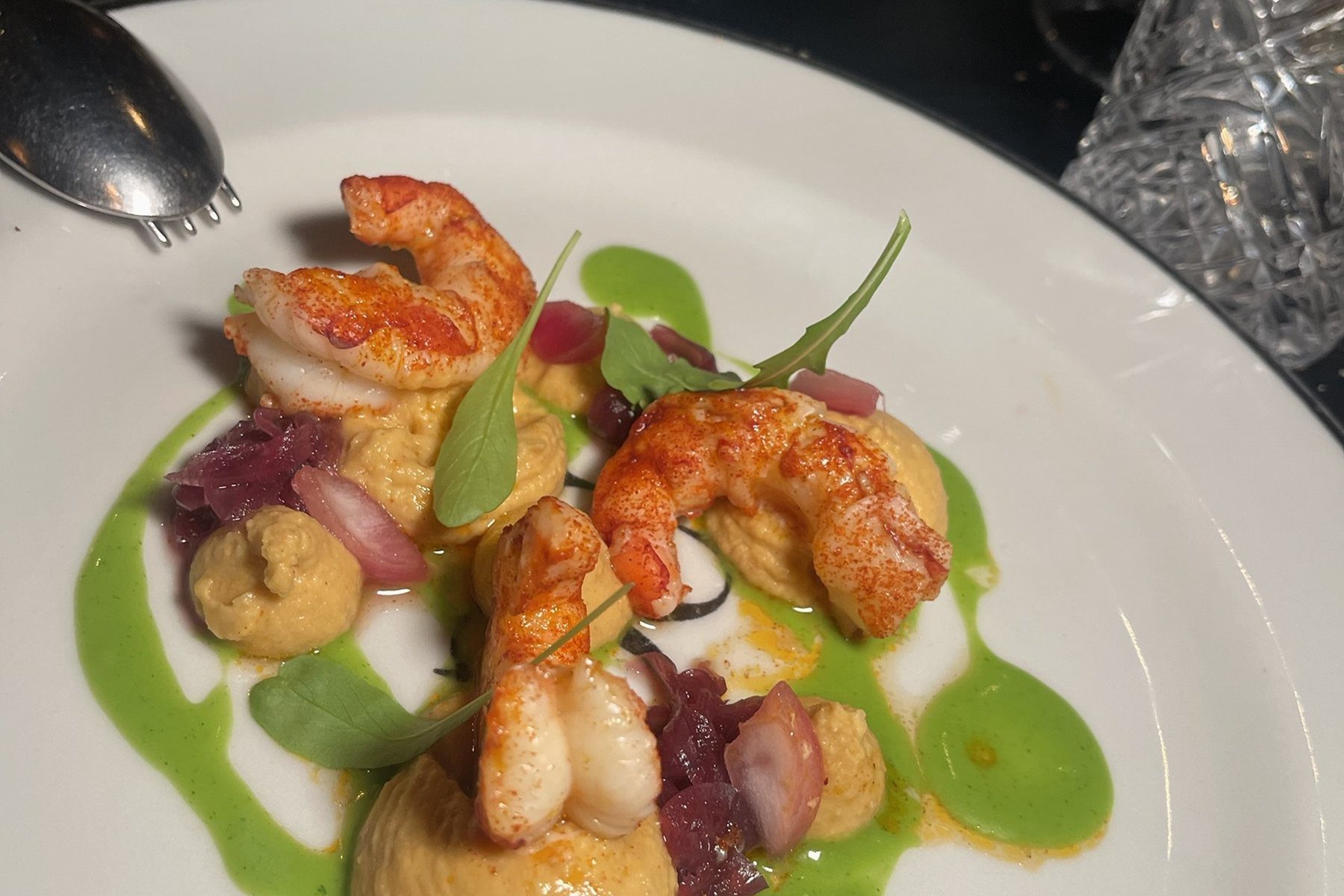
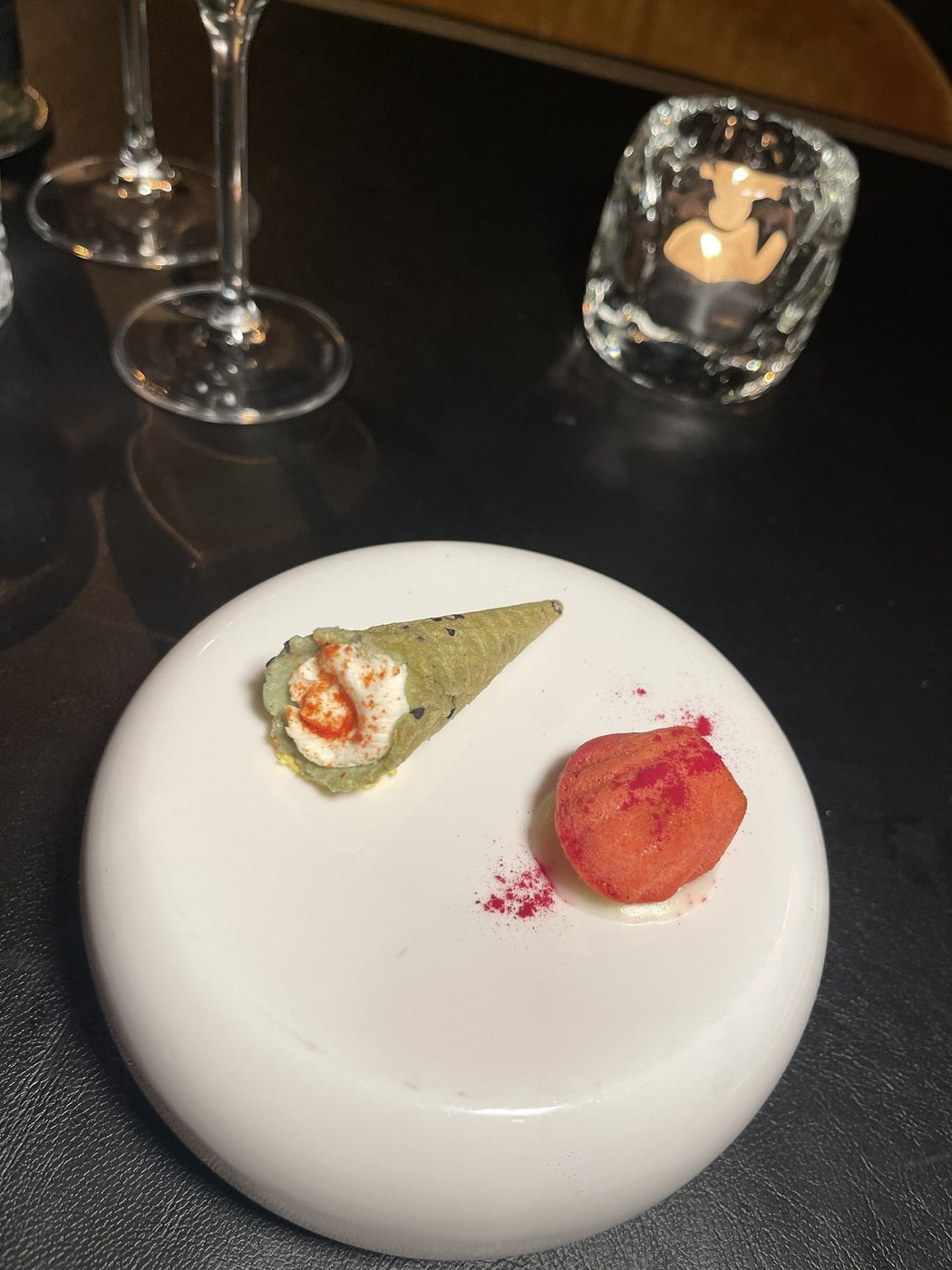
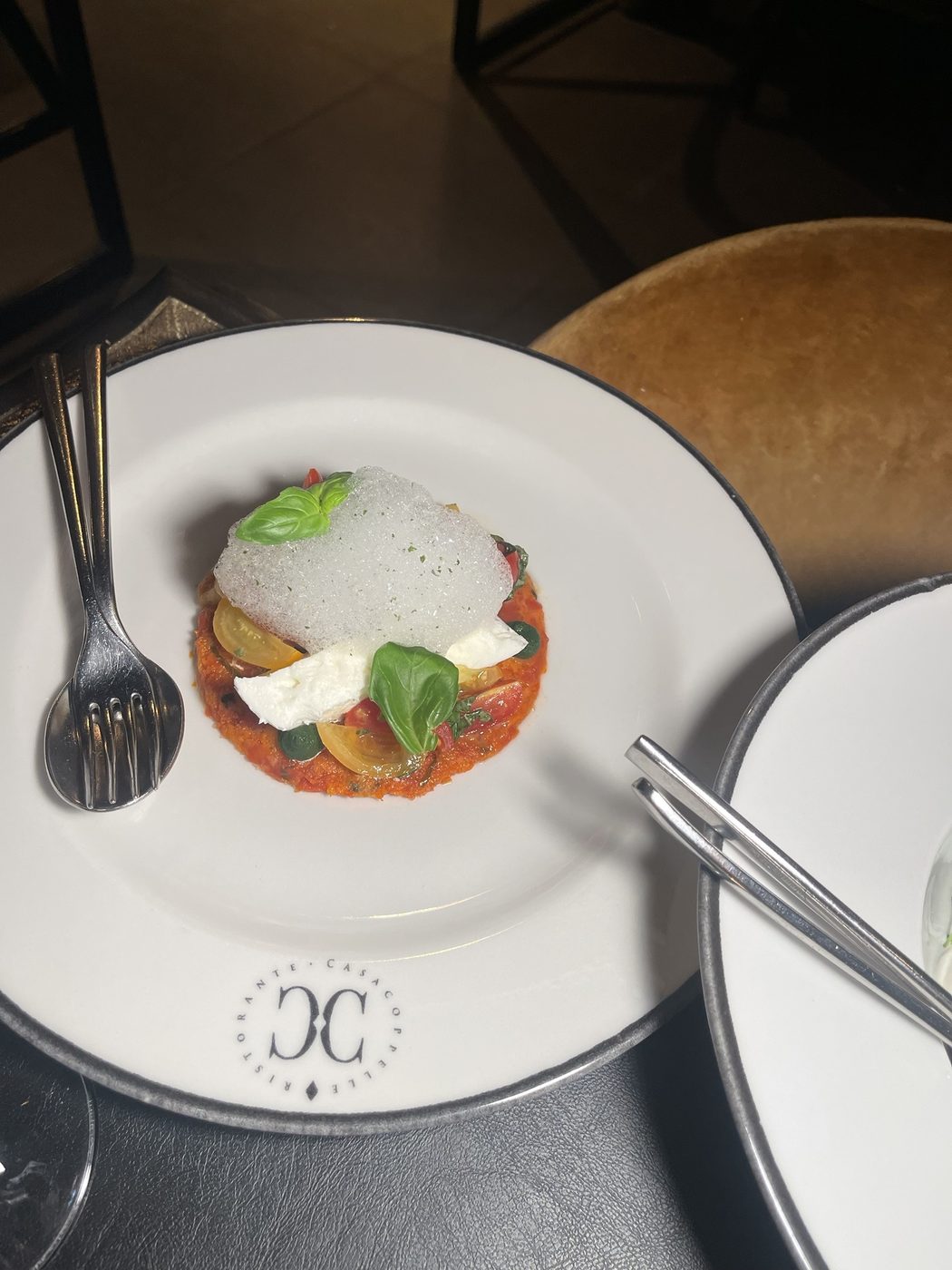
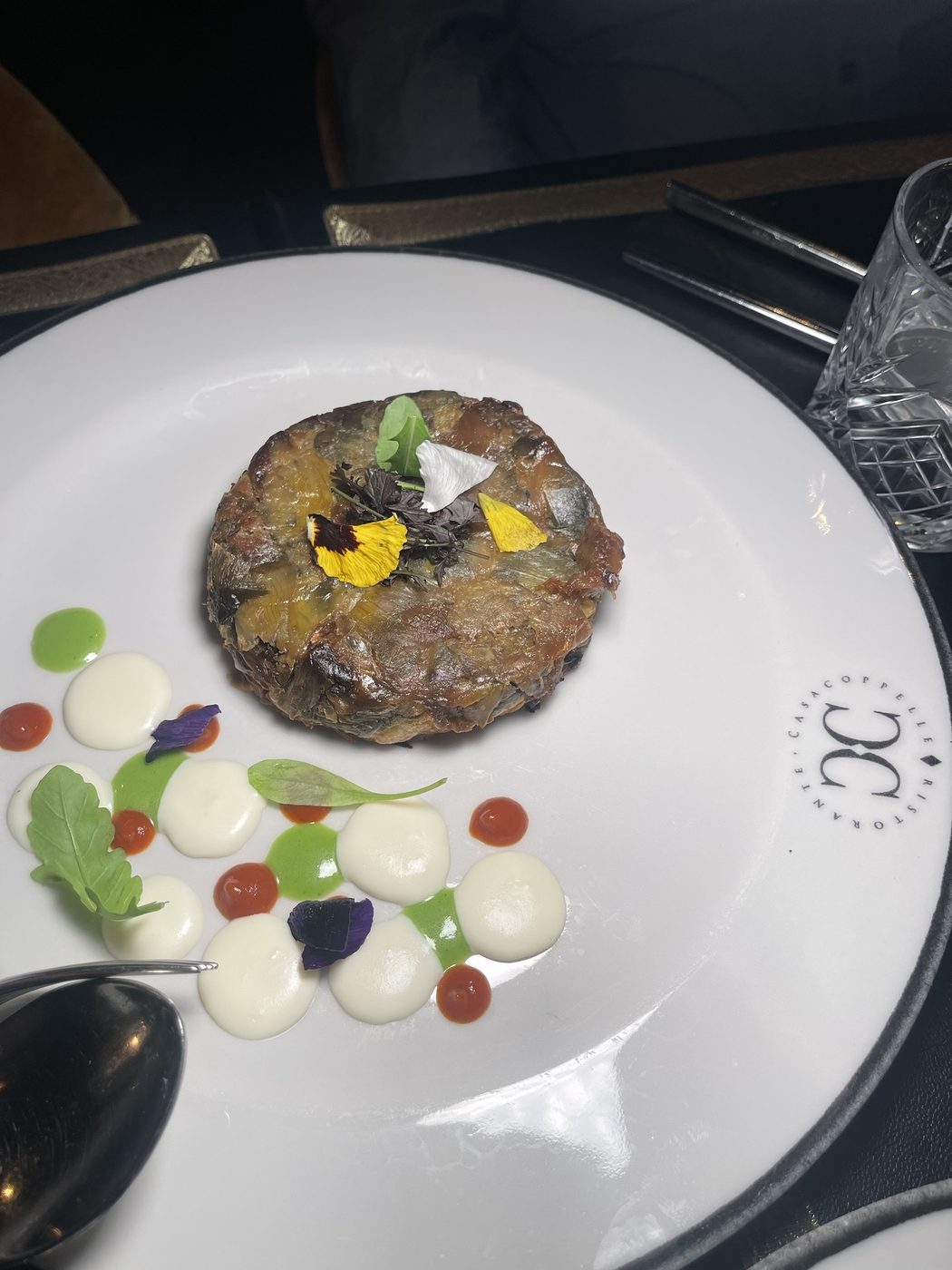
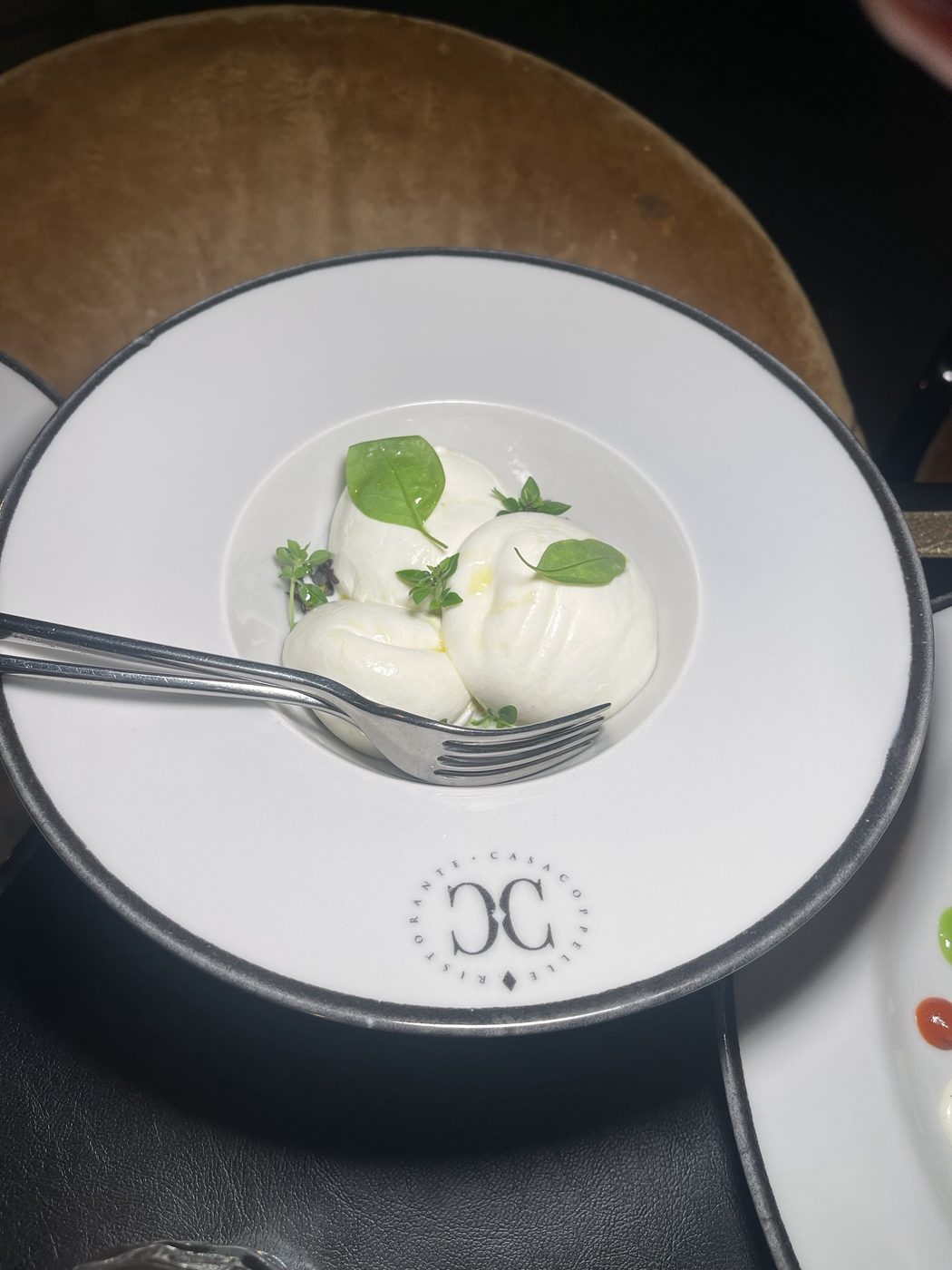
Dinner opened with the kitchen’s greeting: a sage-green wafer cone filled with whipped cheese and dusted with paprika, beside a crimson sphere rolled in beetroot powder. The antipasti showed what the Italian-French idea means on the fork. A tomato tartare of yellow and red tomatoes arrived under a cloud of mozzarella foam with basil and a drop of green oil; burrata came plainly, with basil and thyme; and a tatin of caramelized artichoke and onion was pressed into a tart and dotted with parmesan cream, basil oil and edible flowers.
Rome on one page, Paris on the next
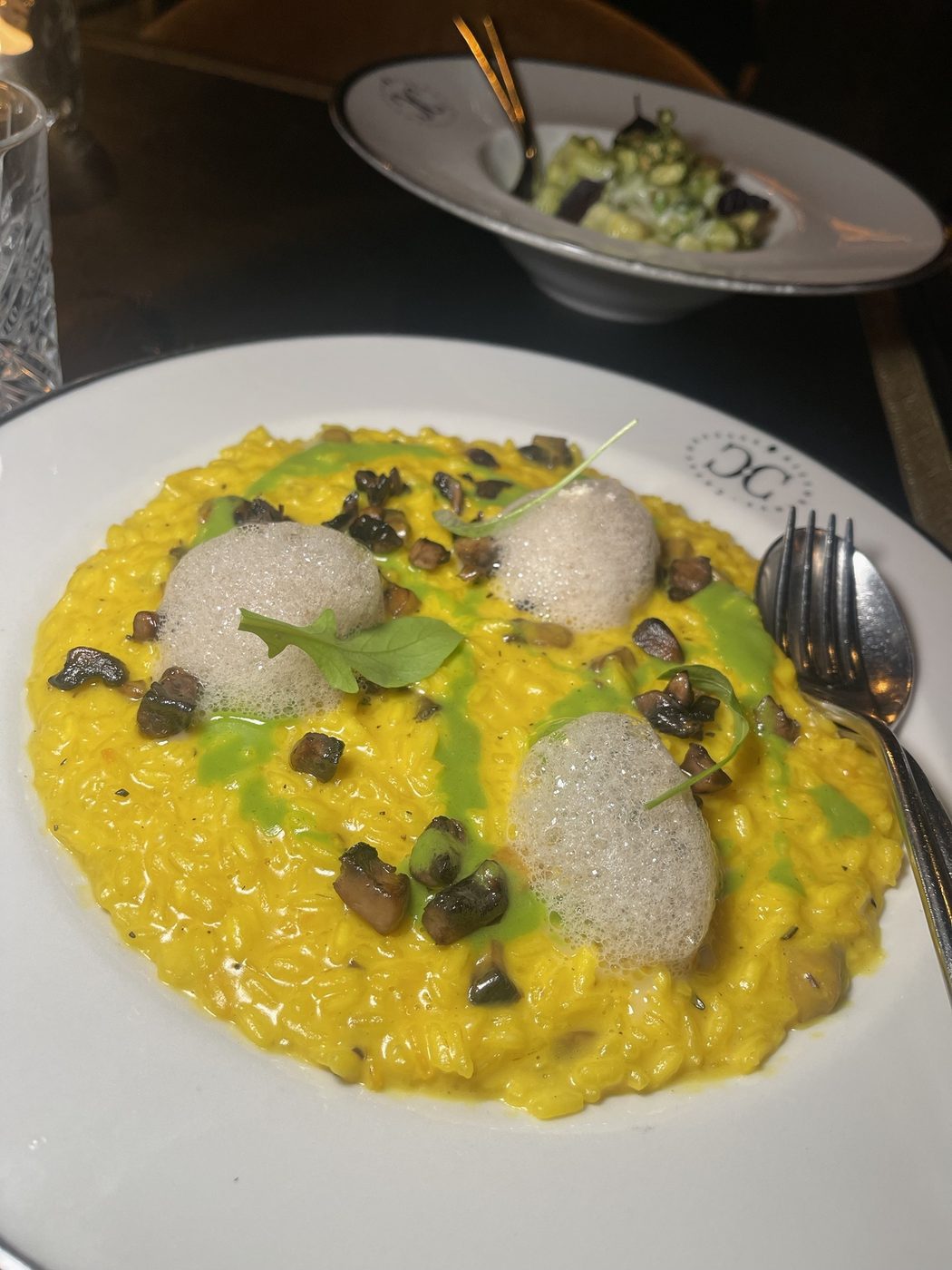
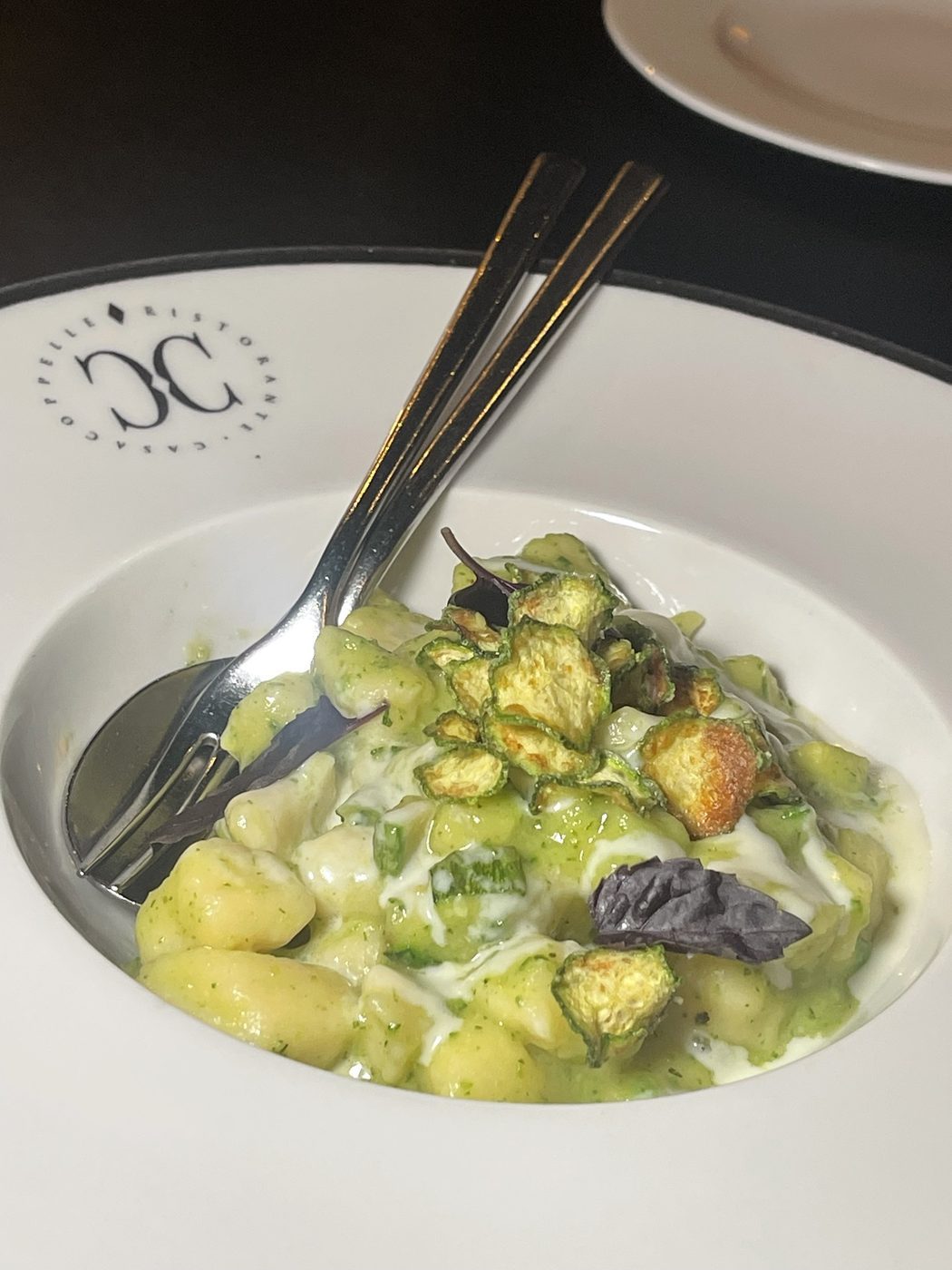
Then the primi. Agnolotti, hand-folded, over a squash cream with shaved black truffle and sage butter. A saffron risotto with sautéed mushrooms, herb oil and three clouds of parmesan foam that collapse into the grain as you eat. Potato gnocchi dressed in a zucchini cream with the courgette flowers fried to a crisp on top. Charred aubergine under stracciatella, smoked tomato, basil oil and cubes of scarlet sponge for crunch. Pasta, bread and pastry are made in-house every day, and the bread basket changes with the season.
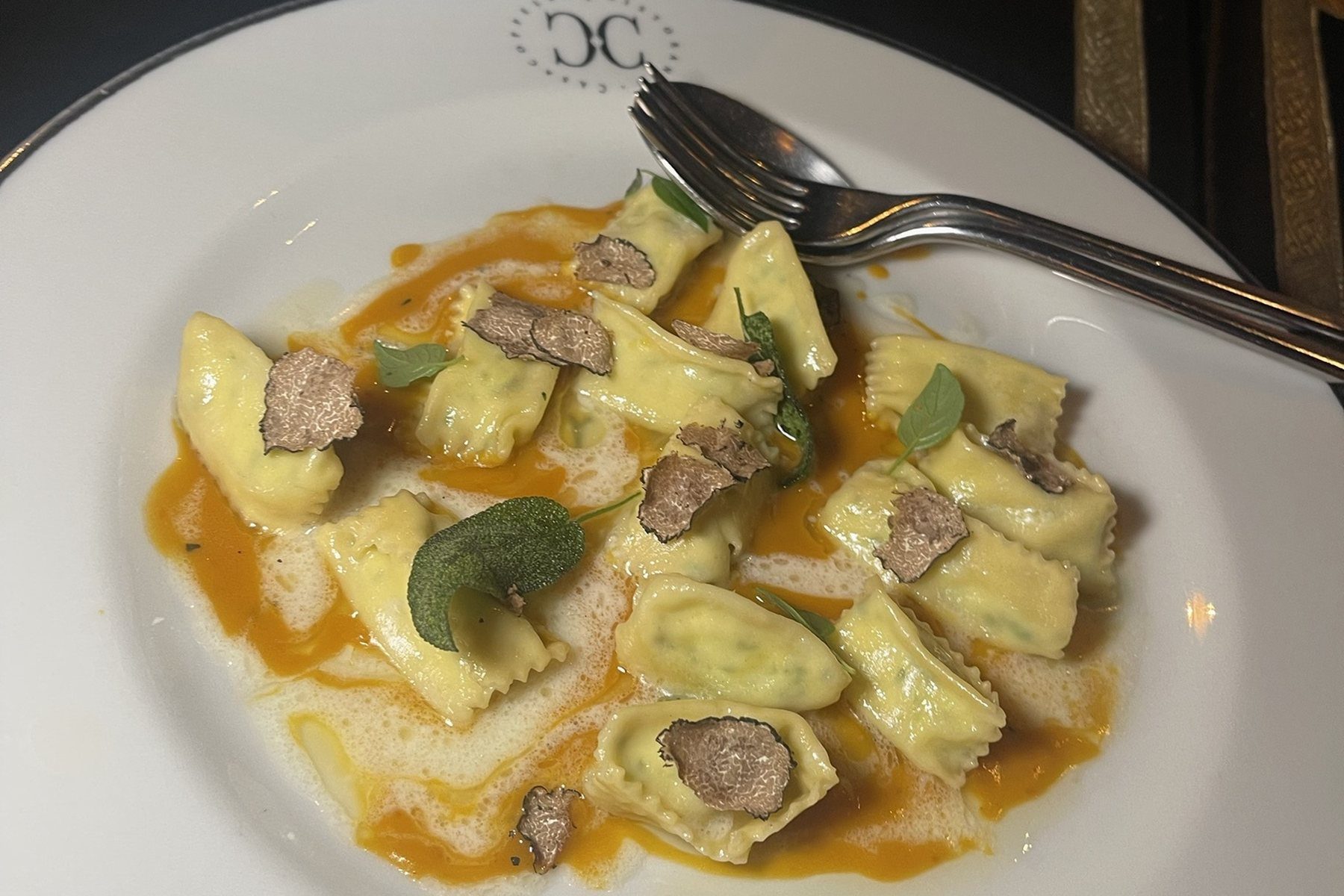
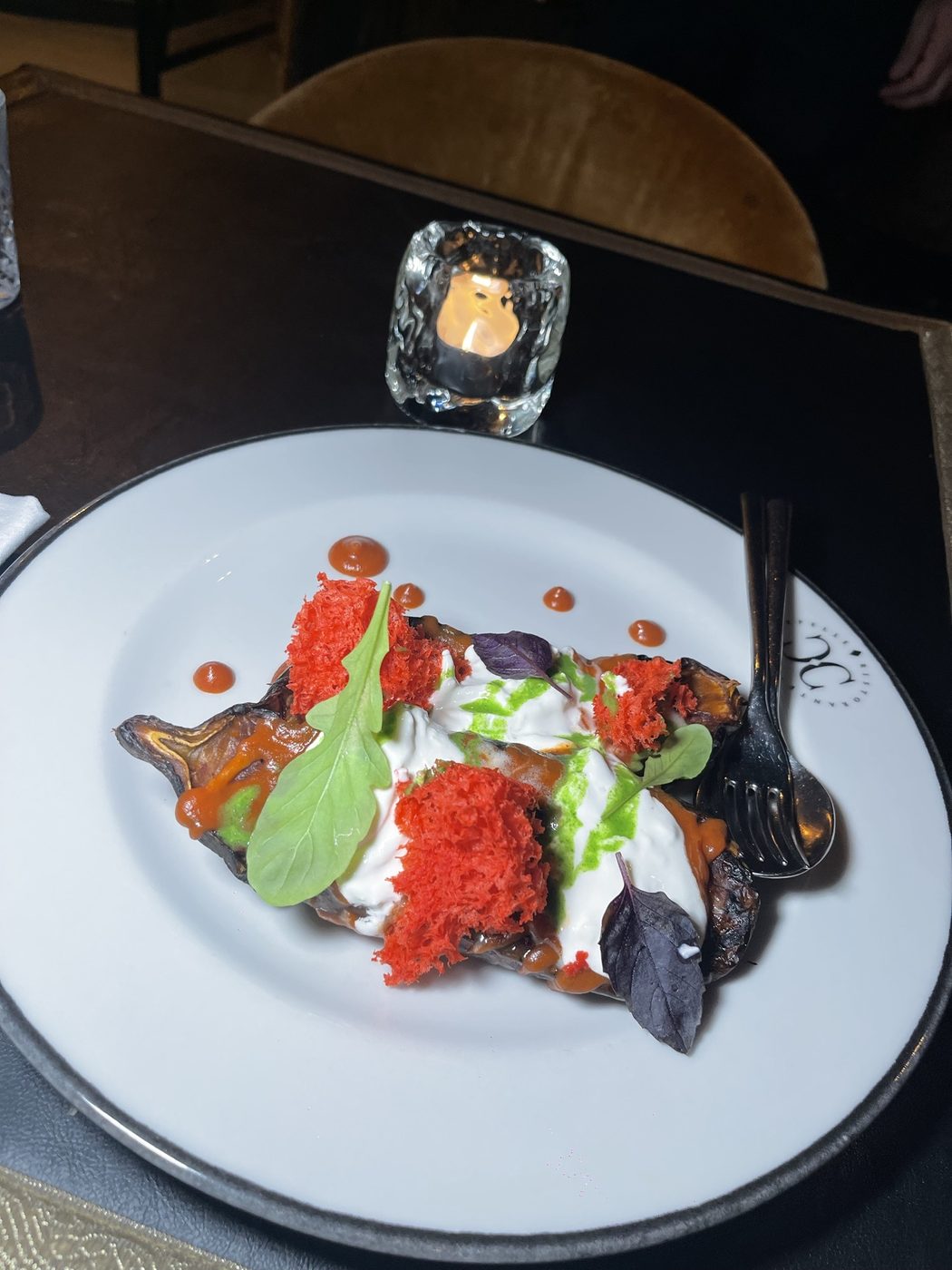
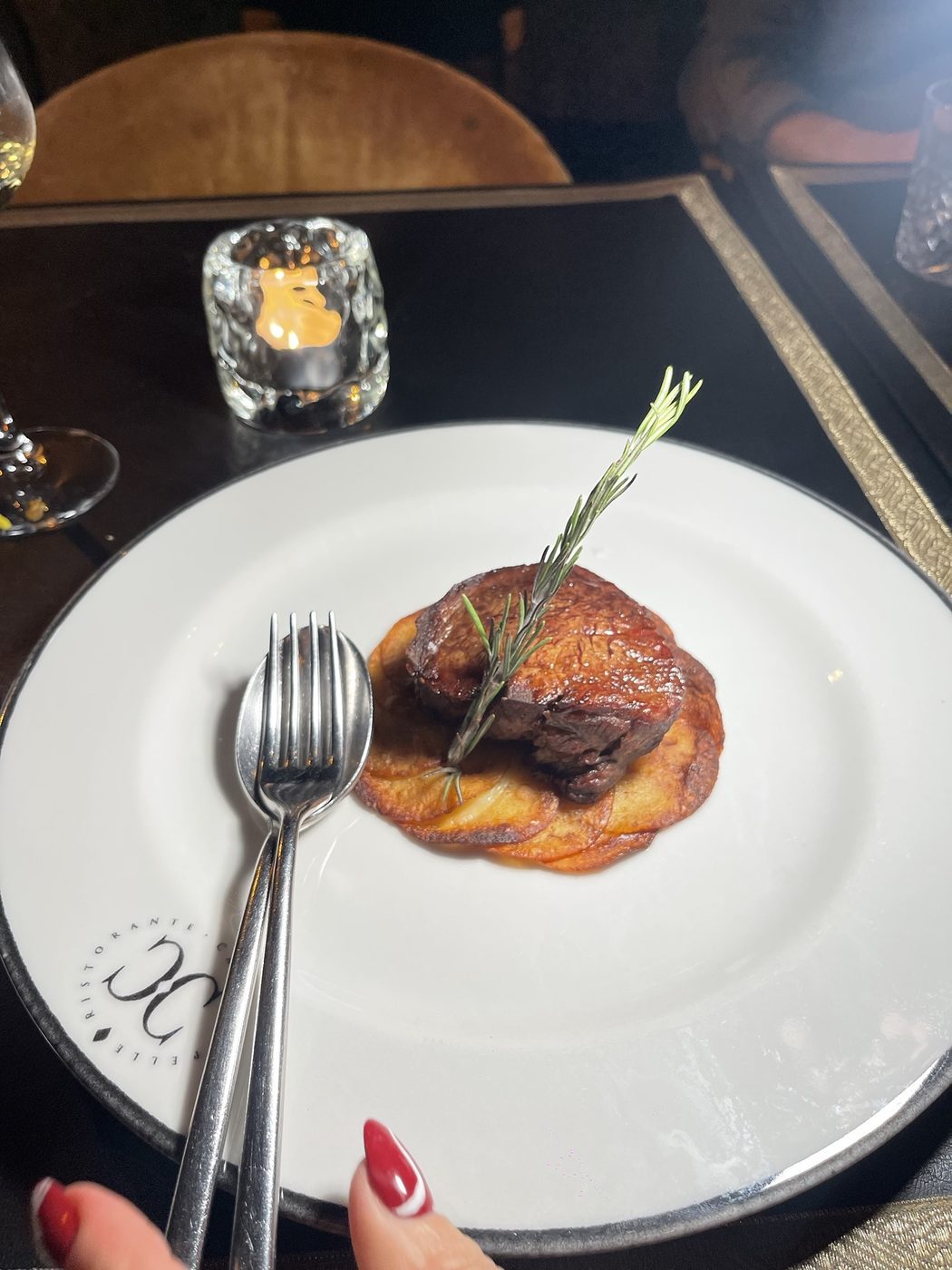
The secondo was a beef fillet, glazed dark, set on a crisp of thinly sliced potato with a sprig of rosemary standing in it like a flag. The signature dish, if you ask the staff, is a plate of linguine dressed with mustard, lime and raw scallop, a recipe the restaurant credits to the chef’s father and now served in a more contemporary form. Since autumn 2022 the kitchen has been led by Gabriele Cordaro, born in Rome in 1985, who trained at the Gambero Rosso academy, passed through Osteria Francescana in Modena and was head chef under Heinz Beck at La Pergola.
Piedmont, Burgundy and a wall of blue
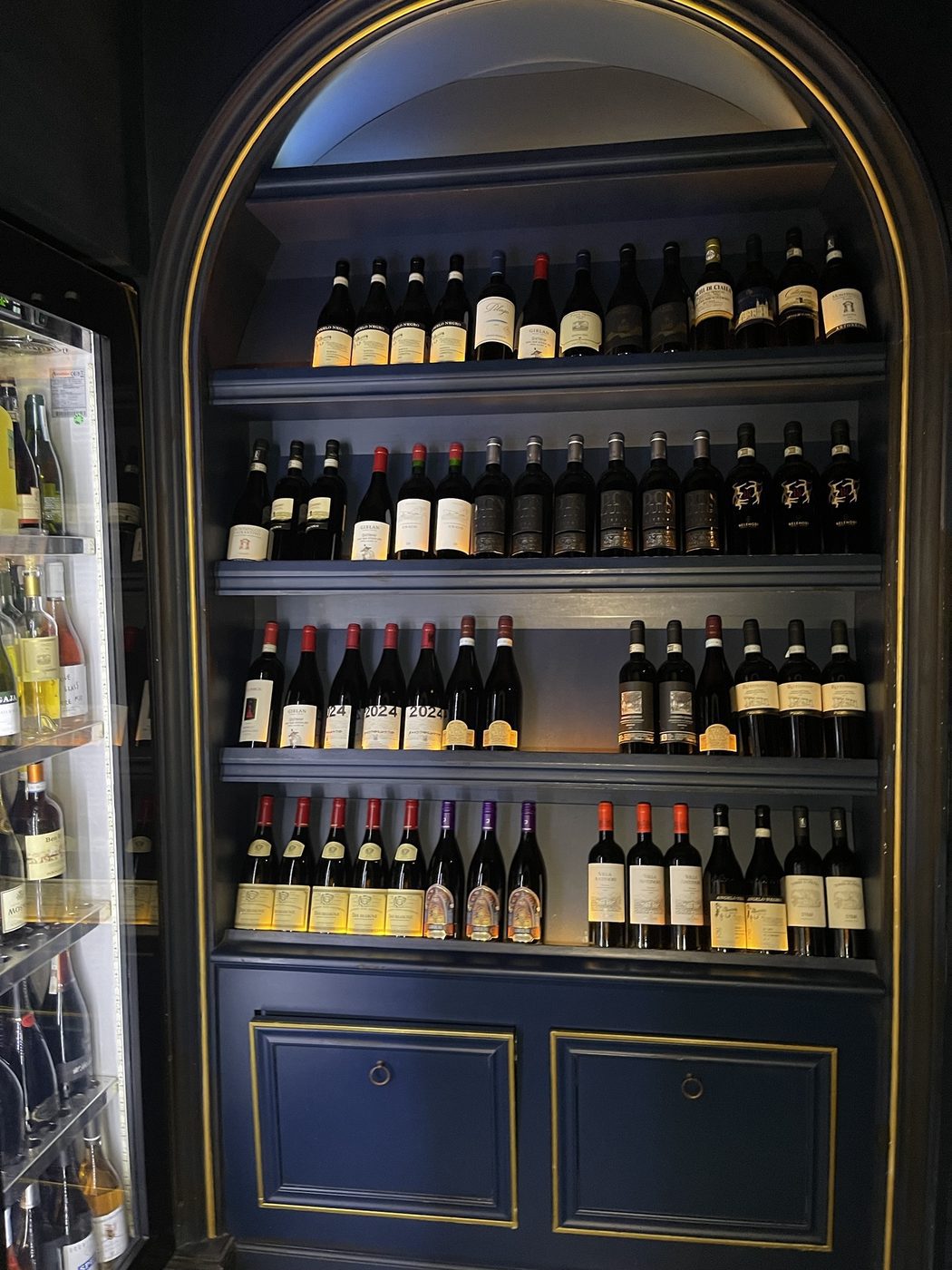
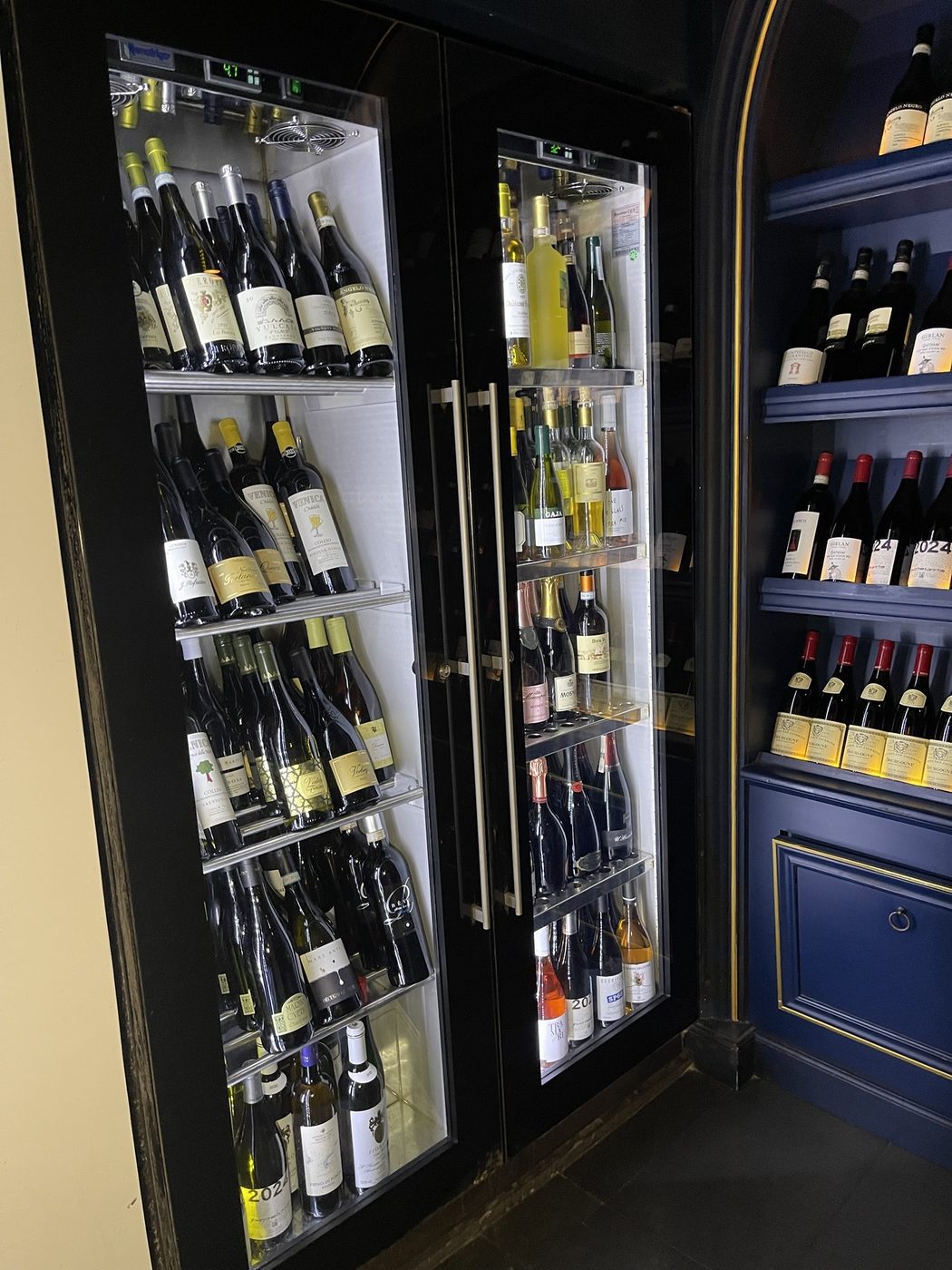
A wine wall links the rooms: a lacquered blue arched cabinet of Piedmont and Burgundy, and two temperature-controlled columns of whites and Champagnes. The cellar runs to roughly 450 labels, from small Italian producers to verticals of Sassicaia and the grand names of France. Service is formal in the French manner: jackets, quiet voices, plates set from the right. The Michelin inspectors call it impeccable and single out the wine selection as worthy of note.
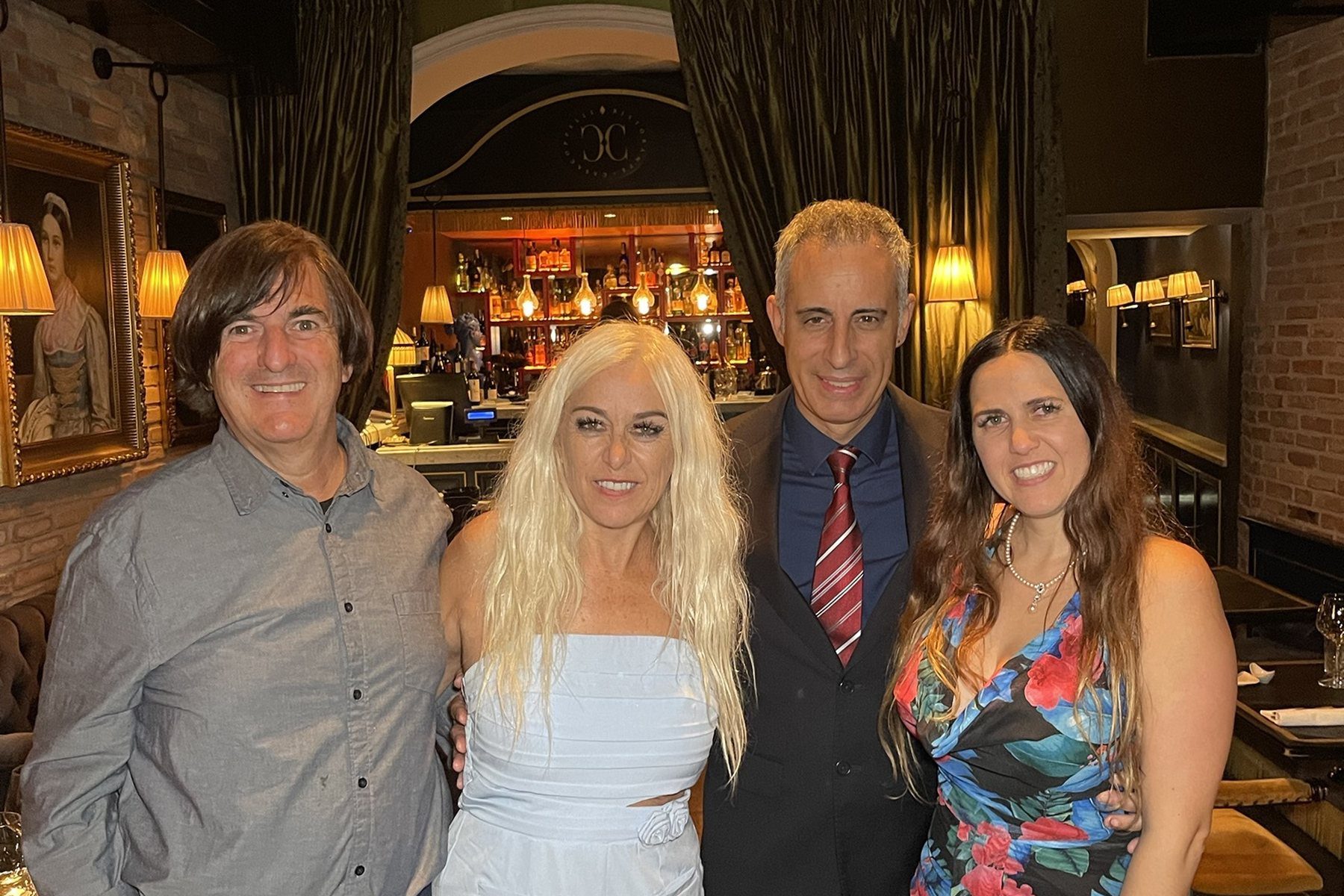
Casa Coppelle, Piazza delle Coppelle 49
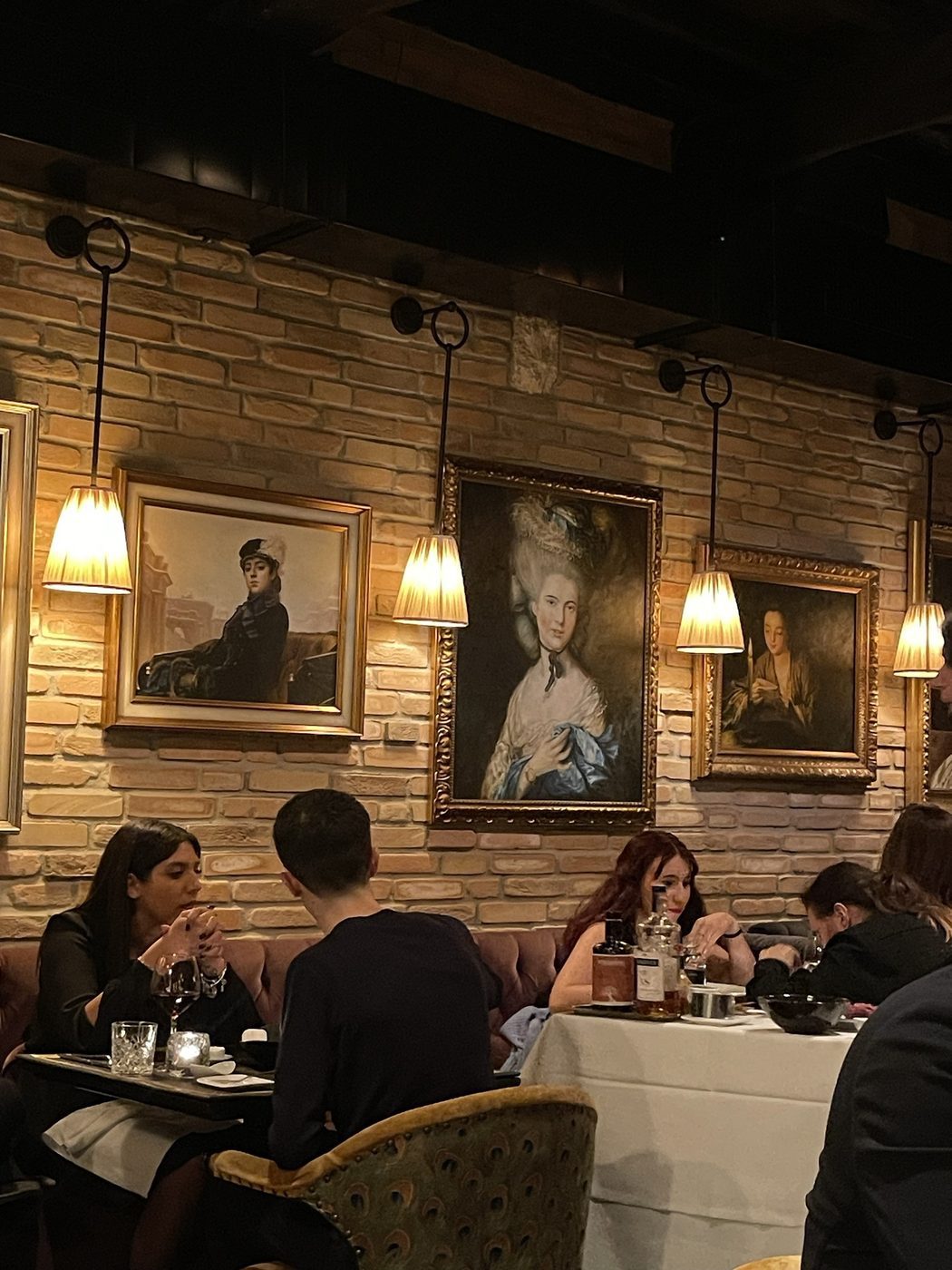
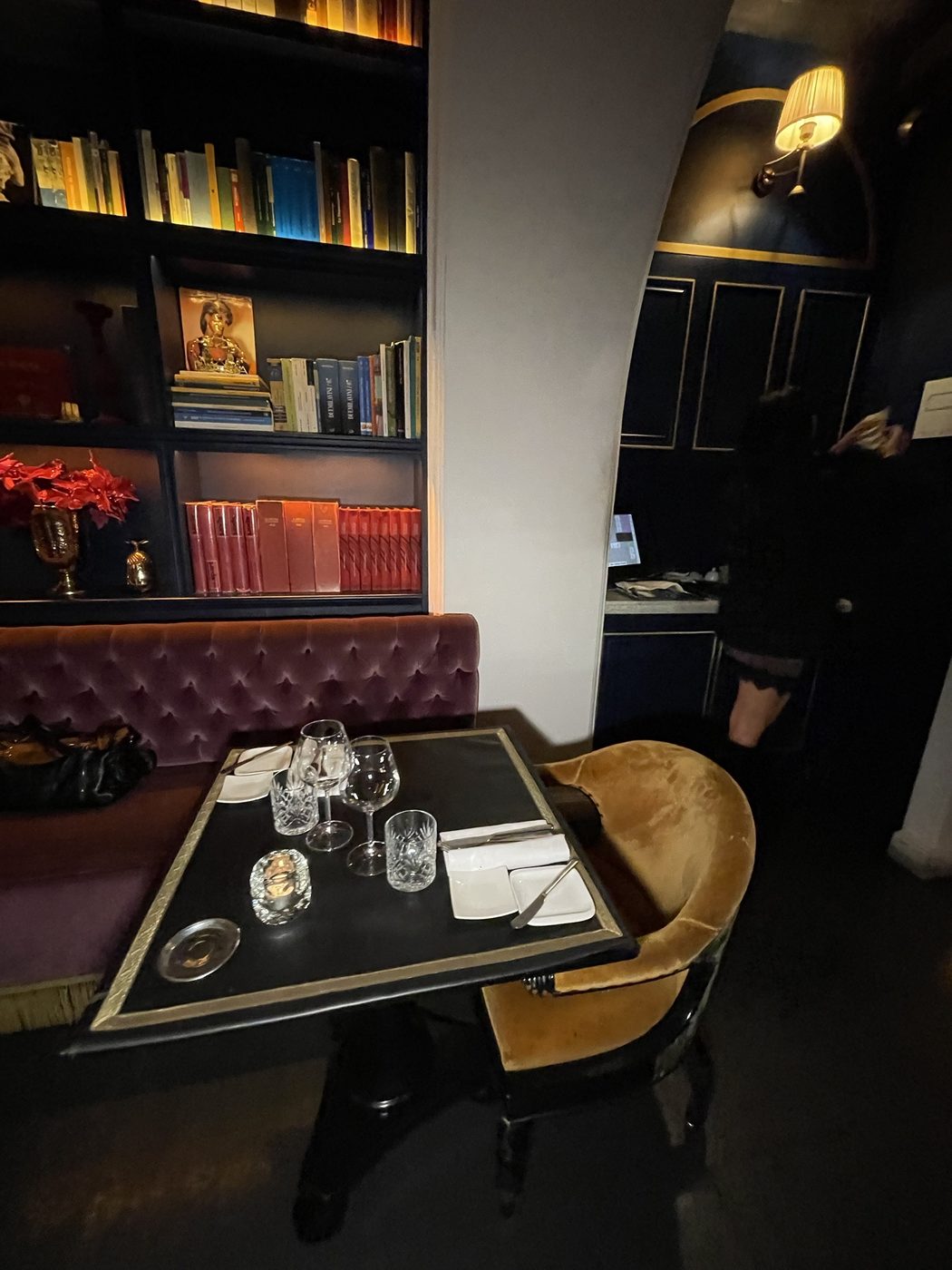
Rome has a thousand places to eat well. It has very few rooms designed by Jacques Garcia, and exactly one restaurant he has signed in Italy. Casa Coppelle matters because it treats a dinner as a stage set and then puts serious cooking on it, and because it has done so on the same quiet square for seventeen years, two minutes from the most visited building in the city and entirely out of its noise.
Frequently Asked Questions
Where is Casa Coppelle located?
Casa Coppelle is at Piazza delle Coppelle 49, 00186 Rome, in the Sant’Eustachio district, about 200 meters north of the Pantheon through Via delle Coppelle.
Who designed Casa Coppelle?
The French decorator Jacques Garcia, known for Hôtel Costes in Paris and La Mamounia in Marrakech, redesigned the restaurant in 2014. It reopened in 2015 and is the only project he has signed in Italy.
What kind of food does Casa Coppelle serve?
Italian and French cooking side by side: Roman classics such as amatriciana and cacio e pepe risotto, and French dishes such as onion soup gratinée, foie gras and bouillabaisse. The signature plate is linguine with mustard, lime and raw scallop.
Is Casa Coppelle in the Michelin Guide?
Yes. Casa Coppelle is listed as a selected restaurant in the Michelin Guide Italia 2026, without a star or Bib Gourmand.
Does Casa Coppelle open for lunch?
No. Casa Coppelle serves dinner only, Tuesday to Sunday from 18:30 to midnight, and closes on Monday.
How many rooms does Casa Coppelle have?
Four salons across about 70 seats: the Herbier, the Library, the Portrait Gallery and the Boudoir, which is reserved for guests taking the five-course tasting menu.