Updated September 21, 2026
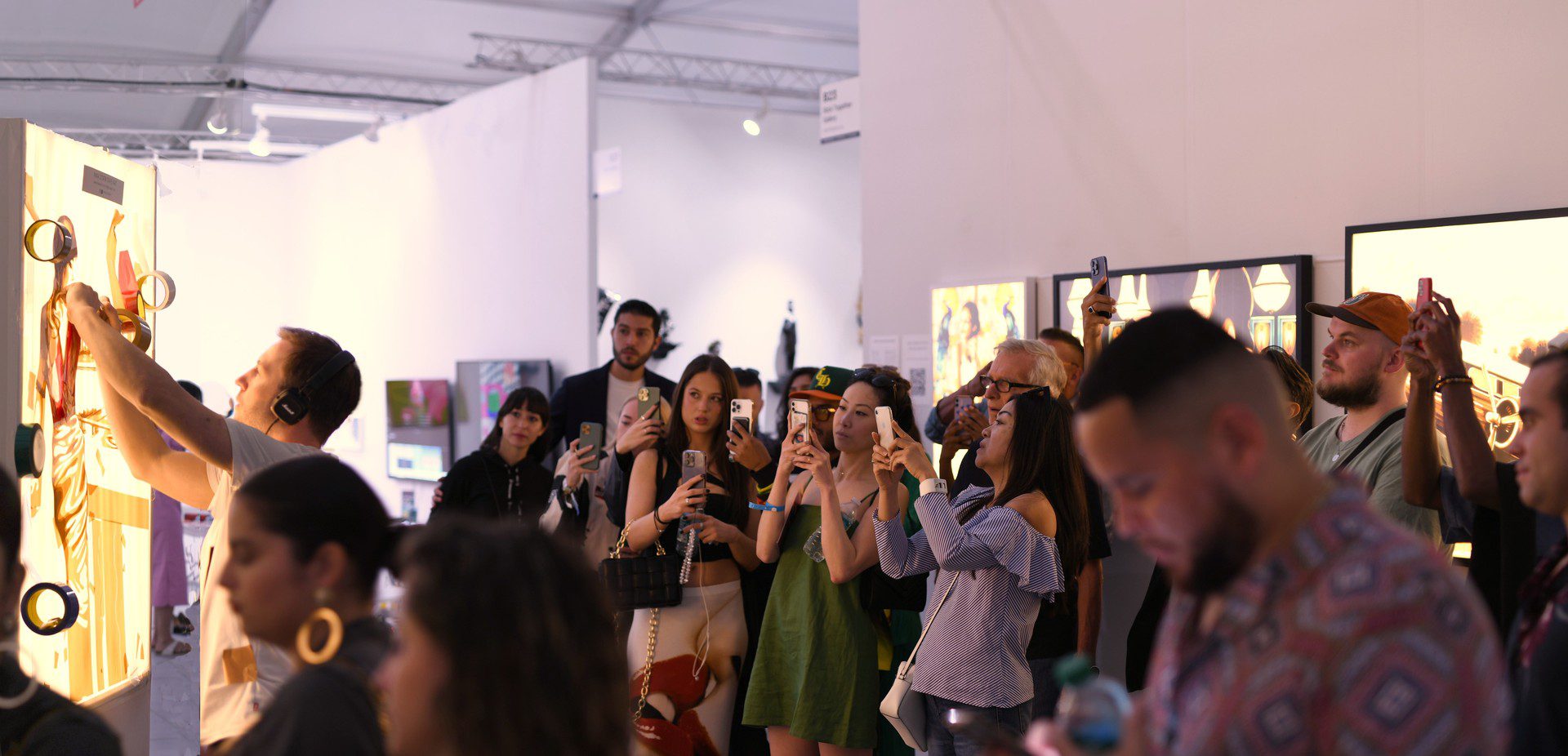
Miami Art Week 2026: 7 Ways to Show Up
A participation strategy for collectors, curators, artists and cultural principals
Arrive with a thesis, protect your attention, compare before committing and leave with a small number of valuable next steps.
Quick Answer. To participate well in Miami Art Week 2026, begin with one clear objective, organize commitments by geography, separate discovery from diligence, use preview access responsibly, and reserve time for second looks and follow-up. The goal is not maximum attendance. It is sharper judgment, better conversations and a short list of decisions that still make sense after the week ends.
Key Takeaways
- Choose one primary objective before accepting invitations or buying tickets.
- Organize each day by geography, not by the perceived prestige of every stop.
- Separate discovery, due diligence, relationship-building and acquisition decisions.
- Leave room for a second look, because conviction rarely improves under schedule pressure.
Miami Art Week can reward appetite, but it punishes indiscriminate ambition. The citywide program spans November 30 through December 6, 2026, while the major fairs begin and open on different days. That staggered rhythm creates opportunity for the prepared visitor and friction for anyone treating the week as a single, endlessly expandable itinerary.
Collectors need enough space to compare works and ask precise questions. Gallerists need disciplined follow-up. Curators and artists need encounters that extend beyond a crowded aisle. Executives and UHNW travelers need a plan that respects both access and attention. The most effective way to participate is not to chase maximum coverage. It is to design a week in which every block has a purpose.
For the complete schedule, use Mandale’s companion guide to the verified 2026 dates and fair calendar. This guide focuses on how to engage once you know where the week is taking you.
Arrive With a Thesis, Not a Shopping List
Before the first fair, write a one-sentence brief for the week. A collector might prioritize a medium, a period or a gap in an existing collection. A curator might seek practices relevant to a future research question. An executive could explore how cultural patronage supports a long-term institutional relationship. An artist might focus on peer dialogue and gallery research rather than immediate representation.
A thesis does not lock you into a decision. It gives you a filter. For each planned stop, ask whether it advances discovery, diligence, relationships or acquisition. If it serves none of those purposes, it may be expendable.
Keep a second, deliberately open category for surprise. The tension between focus and discovery is productive. What matters is that surprise enters a considered framework instead of becoming another demand on the diary.
Assign Each Fair a Distinct Mission
Do not treat the week’s venues as interchangeable boxes to check. Assign each fair a role in your plan. One might be the place for concentrated market comparison, another for emerging perspectives, another for collectible design, and another for conversations with established galleries.
Review exhibitor information only after an organizer publishes it. Mark a limited number of priorities, then identify adjacent presentations worth seeing while you are already in the building. This protects discovery without turning the floor plan into an endurance test.
The discipline is simple: enter knowing what kind of decision the visit should inform. You can still change your mind. You are merely refusing to let every aisle claim equal attention.
The Dates That Shape Participation
Plan by Geography and Protect the Margins
Miami Art Week operates across Miami Beach and mainland Miami. Untitled Art occupies a beachfront setting near Ocean Drive and 12th Street. Art Basel Miami Beach is at the Miami Beach Convention Center. Art Miami is at One Herald Plaza on Biscayne Bay. Those locations are not minor logistics. They should shape the architecture of each day.
Group Miami Beach commitments together and mainland commitments together whenever possible. Avoid placing a time-sensitive meeting immediately after a cross-city transfer. Add a margin before any conversation that matters, and give yourself a quiet reset between a dense fair visit and a dinner where the relationship is the real priority.
A private car can improve continuity, but it cannot remove congestion or reclaim fragmented attention. The luxury is not merely premium transport. It is an itinerary with enough slack to absorb reality without sacrificing the next engagement.
Use a Two-Pass Viewing Method
On the first pass, scan for resonance. Move at a measured pace and record only the works or presentations that stop you. Do not begin with exhaustive questions. Capture the gallery name, booth reference, artist name as displayed, work title as displayed and one sentence explaining your response.
On the second pass, replace instinct with inquiry. Ask about medium, date, dimensions, provenance, condition, exhibition history, literature, edition details when applicable, and restrictions or timing attached to the work. Request written materials from the presenting gallery rather than relying on memory.
For a significant acquisition, the second viewing should test whether the work still holds once novelty has faded. Curators can adapt the same method by separating intellectual relevance from program fit. Artists can use it to distinguish genuine affinity from the visual overload of the week.
The most valuable luxury during art week is unfragmented attention.
Treat Access as a Responsibility
Several fairs distinguish between invitation-only previews and public show days. If you have preview access, use the quieter window for work that requires concentration: primary targets, condition conversations, advisor consultations and introductions that should not be rushed.
Do not assume one credential grants entry everywhere. Confirm access directly with each organizer or host and rely on the terms attached to your own pass. Schedules and entry conditions can change, so check official sources again before travel.
Good access also calls for good conduct. Arrive prepared, respect the gallery’s time and be clear about whether you are researching, advising, acquiring or simply looking. Precision makes an invitation more valuable for everyone involved.
Design Conversations That Continue After Miami
A crowded fair is not the place for a complete professional relationship. It is the place to establish whether a more substantive conversation should follow. Replace broad networking with a short list of people whose work, program or perspective genuinely intersects with yours.
Before meeting, know why the conversation matters. Ask one informed question and listen closely. If the moment is too compressed, acknowledge it and propose a calmer follow-up after December 6. A useful note should record context, the point of connection and the next action, not merely a name and phone number.
For executives and patrons, this is especially important. Cultural credibility comes from sustained attention, not a single high-visibility appearance. For artists and curators, thoughtful follow-up can be more consequential than proximity to the week’s most crowded rooms.
End With Decisions, Not Debris
Reserve a short review period at the end of every day. Sort notes into four groups: act now, revisit, research and release. Send time-sensitive requests while the context is fresh, but resist making consequential decisions simply because the week feels urgent.
For acquisition candidates, create a compact dossier with the gallery’s written details, your photographs where permitted, condition and provenance documentation when supplied, questions still open, and the reason the work belongs in the collection. Advisors and legal or tax professionals should be consulted where appropriate to the transaction and jurisdiction.
Within 48 hours after your final visit, close the loop. Thank hosts, request missing material, schedule substantive calls and decline cleanly when a work is not right. The quality of your exit determines whether Miami becomes a collection of impressions or the beginning of durable value.
A Compact Participation System
| Moment | Primary Use | Discipline |
|---|---|---|
| Before Miami | Define the thesis and priority relationships | Keep the list short |
| First pass | Discovery and comparison | Record only what stops you |
| Second pass | Diligence and conviction | Request written details |
| After each day | Triage and follow-up | Assign every serious note a next action |
Questions About Participating Well
Can a first-time visitor participate meaningfully in Miami Art Week?
Yes. Choose public show days, select a small number of venues from official programs, and arrive with one clear objective. First-time visitors benefit more from focused viewing and thoughtful notes than from attempting complete coverage.
Does one fair credential provide access to every preview?
No universal access should be assumed. Each organizer or host controls its own tickets, previews and invitation terms. Confirm the conditions attached to your credential directly with the relevant official source.
How should a collector prepare before entering a fair?
Define the collection question you want the visit to answer, review the organizer’s current exhibitor information, and prepare a consistent record for artist, work, gallery, condition, provenance and follow-up questions.
What should artists and curators prioritize?
Prioritize research and conversations with genuine intellectual or programmatic relevance. A brief, informed exchange followed by a considered note after the week is usually more useful than indiscriminate networking.
What is the best follow-up after Miami Art Week?
Within 48 hours of your final visit, thank hosts, request missing written material, schedule substantive conversations and close out decisions that no longer merit attention. Keep each follow-up specific to the context in which you met.
What This Guide Includes
Miami rewards the visitor who can distinguish visibility from participation. Go where your question becomes sharper, return where conviction survives, and leave enough space for the conversation that matters.