The New Grand Tour: How Global Families Educate Their Heirs
Episode 1 of the Grand Tour series
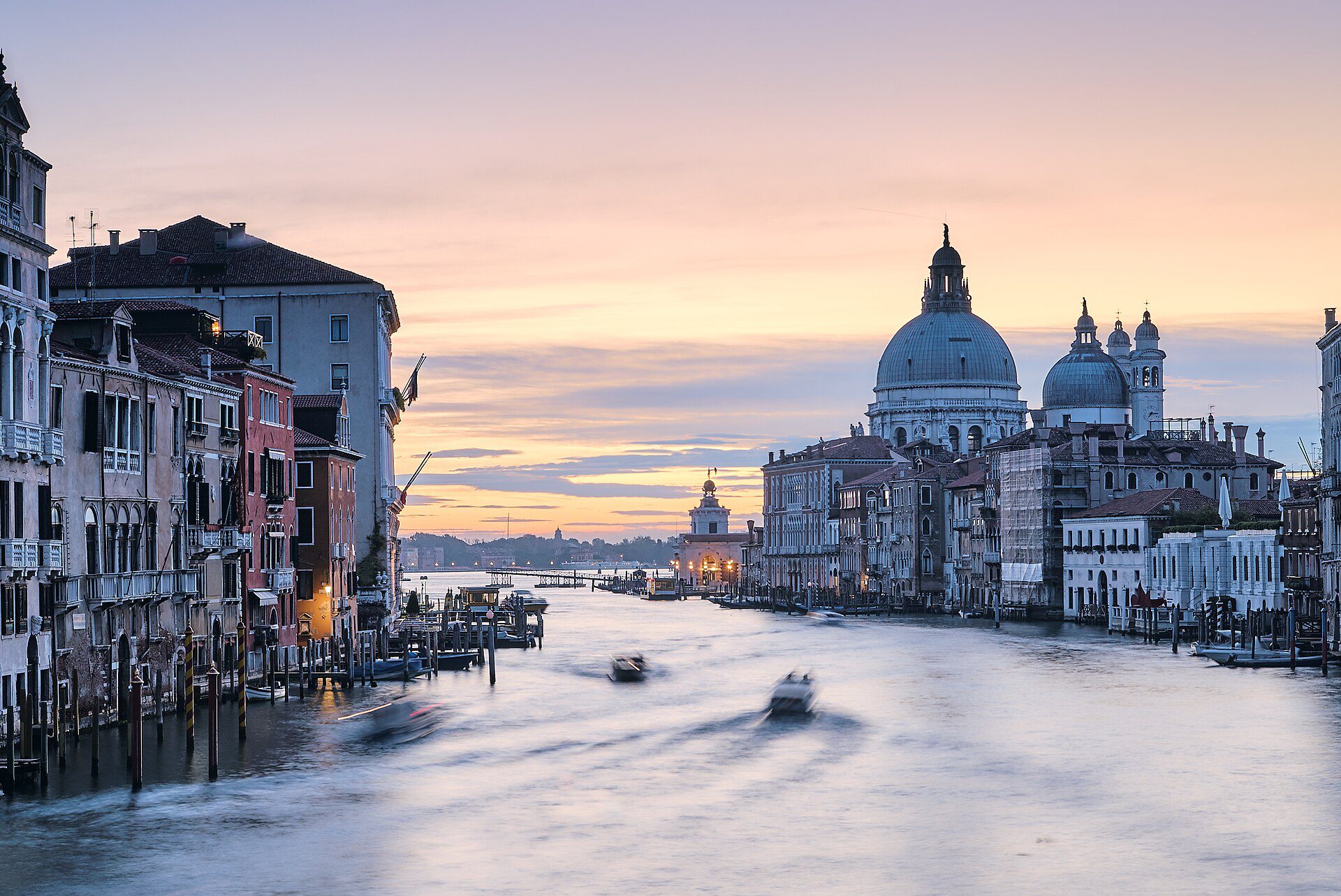
A journey designed not around access alone, but around judgment: art in Venice, attention in Kyoto and civilizational scale at Giza.
Quick Answer. The New Grand Tour is a family-designed sequence of purposeful journeys that turns cultural access into education. Instead of collecting destinations, the rising generation studies a place through a defined question, informed local voices, language, primary objects and a reflective assignment. Venice can teach patronage and preservation; Kyoto, disciplined attention and living craft; Giza and Cairo, engineering, institutional memory and the responsibilities of stewardship.
The New Grand Tour Standard
- Begin with one question the heir cannot answer from a search result.
- Use access to deepen attention, not to bypass context.
- Pair beauty with the people and institutions responsible for preserving it.
- Give the journey an output: a briefing, conversation, essay, object study or family presentation.
- End with a decision about what the experience changes at home.
The Original Grand Tour Was an Education in Power and Taste
The Grand Tour began as a finishing school conducted across borders. The Metropolitan Museum of Art traces the practice to the late sixteenth century, when privileged young Europeans traveled through Paris and the great Italian cities to encounter the art, architecture and antiquities they had previously known through classical study. Venice, Florence and Rome were not merely stops. They were arguments about civilization, available at full scale.
The traveler was usually a young man of means, often accompanied by a tutor or guardian. He was expected to return with cultivated judgment, social fluency and material evidence of taste. The itinerary could shape a collection, a house, a garden and a network of relationships. The Met notes that the tradition continued, in evolving form, for roughly three centuries. Its history is inseparable from privilege, exclusion and the acquisitive habits of Europe’s elite.
That history is why a modern revival cannot simply reproduce the old one. The New Grand Tour should not treat culture as a private trophy, nor mistake proximity for understanding. Its most useful inheritance is the idea that education can become vivid when a young person stands before the object, city or landscape under discussion. Its necessary correction is to exchange passive consumption for inquiry, reciprocity and responsibility.
The distinction is visible in a single question. The old traveler might ask, “What should I bring home?” The modern heir should also ask, “Who keeps this place alive, what pressures does it face, and what obligations come with having access to it?”
A Passport Is Not a Curriculum. Purpose Makes the Difference.
For globally mobile families, travel may already be ordinary. That makes intentionality more important, not less. A suite, a guide and a table reservation can create comfort; they do not automatically create judgment. The educational value begins when the family defines the question before departure and gives the heir meaningful responsibility while there.
The governance context is real. The UBS Global Family Office Report 2026 surveyed 307 family offices across more than 30 markets. Only 27% reported a structured process to educate and prepare heirs for future roles, while 29% cited insufficient financial or governance education as a challenge to involving the next generation. Travel is not a substitute for that missing structure. It can, however, become one memorable component of it when connected to family history, enterprise, philanthropy and decision-making.
A well-designed journey can practice capabilities that are difficult to teach through presentation decks alone: listening across cultures, observing before judging, asking informed questions, reading a room, comparing sources, working through ambiguity and translating an experience into a decision. Language matters here not as an ornament but as etiquette. Even a modest effort to learn greetings, forms of address and key vocabulary signals that the visitor has arrived to engage, not merely to be served.
The New Grand Tour is therefore not a gap year with a more elegant wardrobe. It is a sequence of field seminars, each built around a place that can challenge the heir’s assumptions. The family’s role is to provide rigor and continuity. The destination supplies the evidence.
Luxury can open the door. Education begins with what the heir notices after entering.
Design the Journey Around Five Acts of Learning
- Frame the inquiry. Choose one serious question. How does a city protect heritage while remaining economically alive? How does craft survive when speed and scale dominate? What can monumental architecture reveal about state capacity and belief?
- Prepare before arrival. Read one primary or institutional source, learn the essential chronology and build a vocabulary list. Preparation prevents a private guide from becoming a substitute for thought.
- Meet a custodian. Seek the curator, conservator, architect, archaeologist, artisan, scholar or civic leader whose work keeps the culture legible. Access is most valuable when it exposes the labor behind the beauty.
- Practice, do not only observe. Sketch an elevation, compare two restoration choices, attempt a craft under instruction, map a trade route or explain a single object to the family. The point is not mastery. It is disciplined attention.
- Return with an output. Within one week, the heir should present what changed: a written brief, a collection note, a family council discussion or a proposal for philanthropy. Reflection converts an extraordinary day into durable learning.
Age changes the form, not the principle. A younger child may keep a visual notebook and choose one object to explain. A university-age heir might interview specialists and present a comparative argument. An adult member preparing for governance can connect the journey to collection policy, foundation strategy or the family’s public responsibilities.
Venice: Patronage, Fragility and the Cost of Beauty
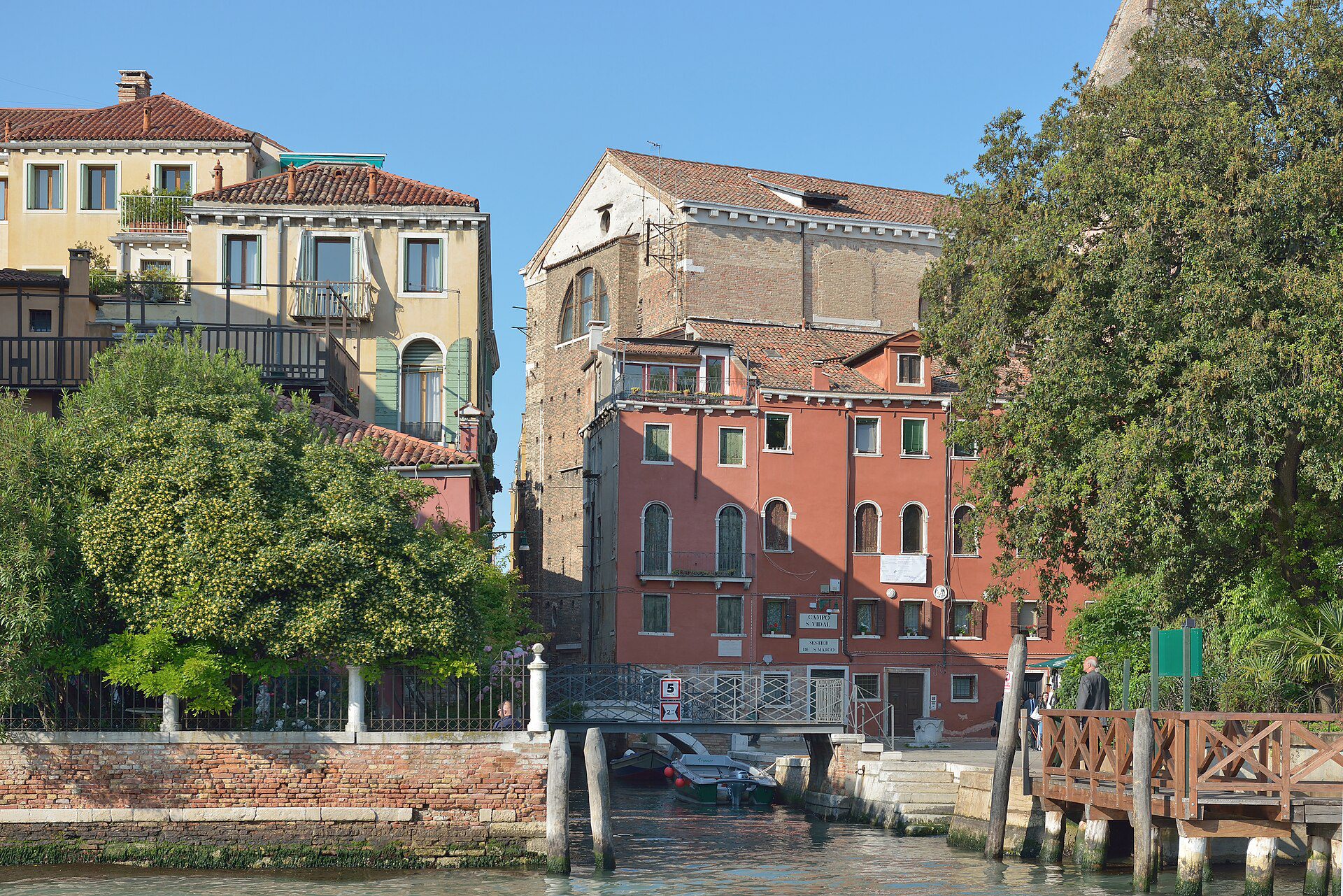
Wolfgang Moroder via Wikimedia Commons, CC BY-SA 3.0.
Venice is the natural bridge between the historic and modern Grand Tour. The city teaches the seduction of beauty, but its deeper lesson is maintenance. Palaces, churches, paintings, stone, timber and lagoon ecology survive because institutions and specialists make choices about what to protect, how to intervene and who pays.
A family can frame Venice around the question: What does stewardship require after acquisition? Begin with close looking at the Gallerie dell’Accademia, where a painting can be studied not only as an image but as an object with material history. The museum’s official conservation and diagnostics program describes collaboration among art historians, conservator-restorers, chemists and biologists, supported by techniques that help specialists understand materials and condition before choosing an intervention. That is governance made visible: expertise, evidence, restraint and accountability.
The city itself extends the seminar. Campo San Vidal, the Grand Canal and the façades around them invite a comparison between private ownership and public consequence. An heir can be asked to choose one building or artwork and prepare a short stewardship memo: what makes it significant, which risks threaten it, which specialists would be needed, and which interests must be balanced before action?
Venice also offers a current model of place-based learning. The 2026 Arts in Venice Summer School, organized by four Venetian higher-education institutions, used the city and lagoon to connect arts, architecture, history, environmental science and heritage conservation through lectures, visits and practical work. The point is not that every family should enroll. It is that Venice becomes more educational when disciplines meet and the city is treated as evidence rather than backdrop.
The heir’s assignment: present a five-minute case for preserving one cultural asset without freezing the life around it. The best answer will acknowledge trade-offs instead of hiding them.
Kyoto: Attention, Ritual and Living Craft
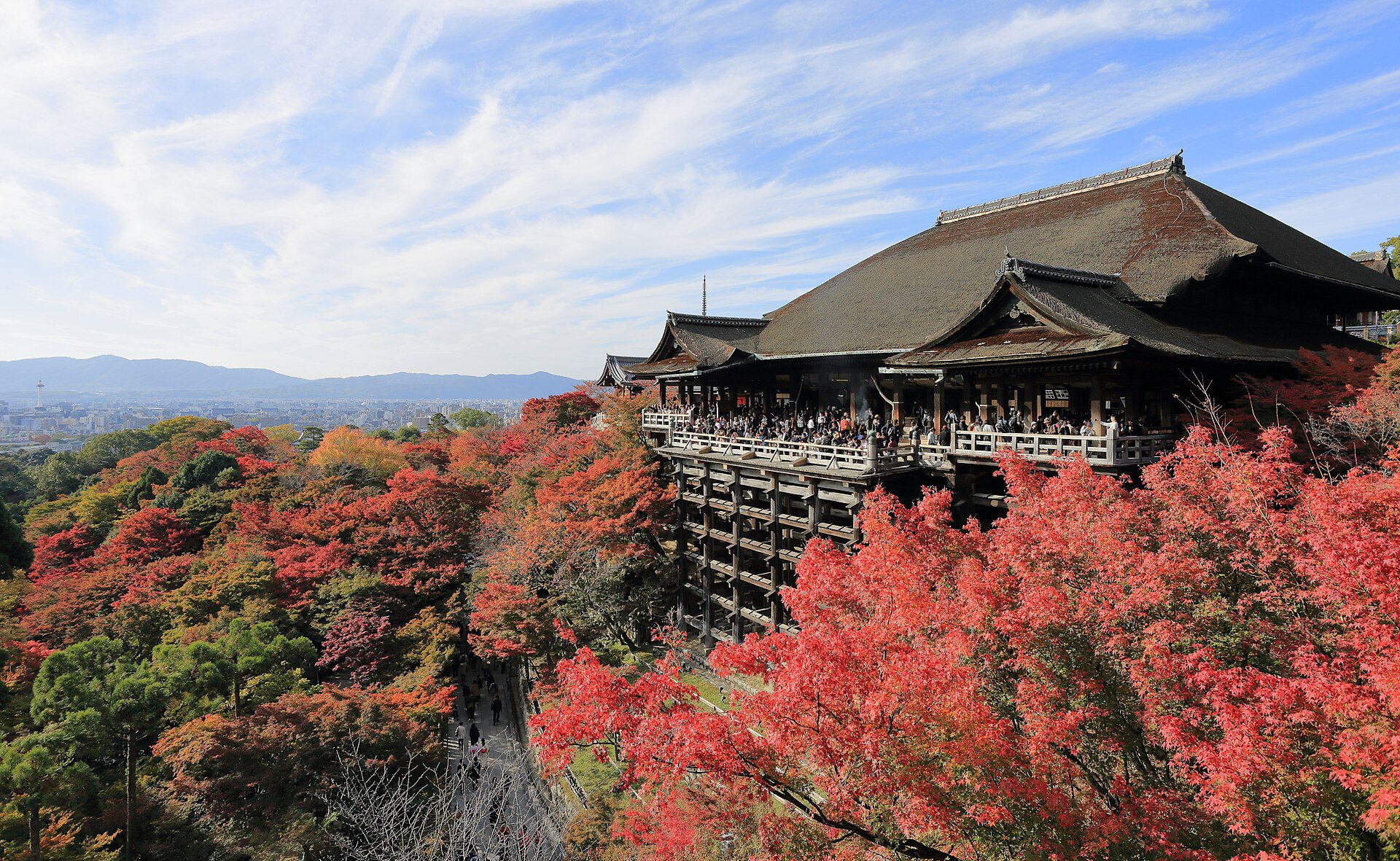
Martin Falbisoner via Wikimedia Commons, CC BY-SA 4.0.
Kyoto shifts the curriculum from possession to practice. UNESCO describes the ancient capital as a center of Japanese culture for more than a thousand years and highlights its influence on wooden architecture, religious architecture and garden design. Kiyomizu-dera is one component of the Historic Monuments of Ancient Kyoto World Heritage property. The value of the visit is not exhausted by the view from its stage. It lies in noticing how architecture, landscape, movement and ritual organize attention.
The family question might be: What becomes possible when excellence is measured across generations rather than quarters? That question can move from temple architecture to a workshop and then to a table. The Kyoto Museum of Crafts and Design presents all 74 categories of the city’s traditional industries and offers demonstrations in which visitors can watch artisans work with techniques that require precision and time. Its official materials describe not only finished objects but also archives, materials, tools and exchanges between makers and users.
This is the place to slow the itinerary. One demonstration observed closely can teach more than five hurried appointments. Ask the heir to track the sequence of hand movements, the material constraints, the standard by which the maker judges success and the role of repetition. If an appropriate workshop is available through an established institution, participating under instruction can reveal the gulf between admiration and competence.
Kyoto also creates an opportunity to practice cultural humility. Rituals should not be reduced to private entertainment, and crafts should not be treated as souvenirs detached from makers. The educational luxury is time with context: learning the vocabulary, understanding what is appropriate to ask, and recognizing when the visitor’s role is simply to watch carefully.
The heir’s assignment: select one object or architectural detail and explain the invisible system behind it: training, materials, maintenance, etiquette, succession and the market or community that allows the practice to continue.
Giza and Cairo: Scale, Evidence and Civilizational Memory
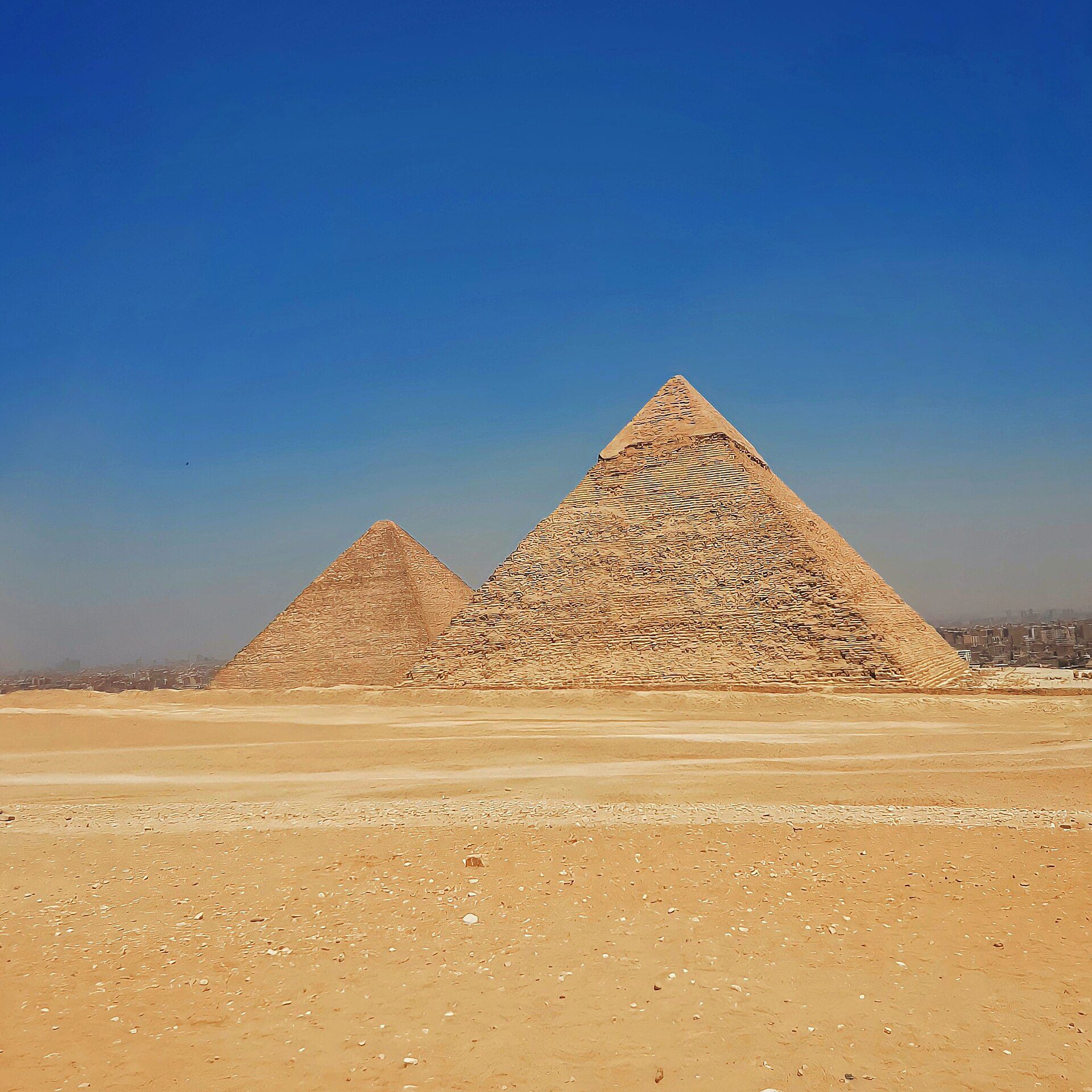
3del s3d via Wikimedia Commons, CC BY-SA 4.0.
At Giza, scale becomes the first teacher. The UNESCO World Heritage property “Memphis and its Necropolis – the Pyramid Fields from Giza to Dahshur” preserves funerary monuments, temples, mastabas, the Great Sphinx and more than thirty-eight pyramids across the wider necropolis. UNESCO identifies the Great Pyramid of Khufu as the only surviving wonder of the ancient world.
The productive question is not, “How did they build this?” stated as a riddle. It is: What combination of knowledge, organization, belief and resources made this level of continuity possible? That opens a disciplined conversation about evidence. Which claims are supported by archaeology? Which remain debated? How do new discoveries change interpretation? The heir learns to distinguish wonder from speculation without diminishing either.
The Grand Egyptian Museum adds the institutional half of the seminar. Its official account states that it opened on November 1, 2025, and its Education Centre describes programs intended to support lifelong learning and critical thinking through immersive and technology-enhanced experiences. The museum’s school programs explicitly connect ancient Egypt with art, history and science. Those offerings are designed for broad educational audiences, but they demonstrate a useful principle for a family itinerary: objects become more legible when disciplines are allowed to meet.
A thoughtful day might place the plateau and museum in dialogue. At Giza, observe orientation, stone, topography and distance. At the museum, choose one object and examine what conservation, provenance and interpretation allow it to communicate. The transition from monument to institution shows that civilizations survive in public memory through both original works and the contemporary systems responsible for studying them.
The heir’s assignment: prepare a one-page evidence map. Place verified facts in one column, contested interpretations in another and open questions in a third. Then explain why intellectual honesty strengthens, rather than weakens, a story of wonder.
The Journey Is Complete Only After the Return
The most expensive mistake in educational travel is allowing the experience to dissolve into photographs. A New Grand Tour needs a rhythm after arrival home. Within forty-eight hours, the heir selects the five observations worth preserving. Within one week, they present an argument to the family. Within one month, one idea is connected to an existing responsibility.
That responsibility might be modest: rewriting the care record for a family artwork, interviewing the person who maintains a multigenerational property, learning the history of an object already in the home or proposing a language goal before the next journey. For an adult heir, the output might inform foundation governance, collection stewardship or the design of a family-learning calendar.
Parents and principals should resist grading taste. The point is not to demand the “correct” reaction to a temple, painting or pyramid. Evaluate preparation, evidence, listening and the quality of the questions. An heir who changes their mind after encountering better information has demonstrated something more useful than polished certainty.
The family should also document boundaries. Private access cannot justify intruding on sacred practice, conservation work or communities. Photography rules, dress, research permissions and institutional schedules should be confirmed directly with the relevant site. A New Grand Tour succeeds when privilege is converted into attention and respect.
Three Journeys, Three Questions
The Series Continues Beyond the First Map
This first episode establishes the method. Future journeys can narrow the lens. Florence can explore workshop culture, collecting and Renaissance patronage alongside Venice’s stewardship questions. Petra can extend the conversation about trade, water and archaeological interpretation begun at Giza. Marrakech can examine craft, hospitality and the ethics of cultural commerce. Lisbon can frame language, navigation and the legacies of global exchange.
Each deserves its own episode because each requires its own sources, custodians and questions. The New Grand Tour should expand slowly. Its value lies not in how much ground the family covers, but in how much better the rising generation learns to see.
Questions Global Families Ask Before Departure
What makes a journey a New Grand Tour rather than a luxury vacation?
A New Grand Tour begins with a defined educational question, includes preparation and encounters with credible local or institutional voices, and ends with a reflective output. Comfort may support the experience, but access and amenities are not the curriculum.
At what age should an heir begin?
There is no single age. The assignment should match the learner. Younger travelers can keep a visual notebook and explain one object; adolescents can compare sources or interview a specialist; adults preparing for family roles can connect the journey to governance, philanthropy or stewardship.
Should the itinerary include private access?
Only when it adds context and respects the institution, practitioner and site. A private appointment is educational when it creates time for serious questions or close study. It is not inherently more valuable than a well-designed public program.
How many destinations belong in one episode?
Fewer than a conventional touring itinerary. This framework uses three examples because depth requires preparation, time in place and reflection. A family can devote an entire journey to one city if the inquiry is strong enough.
What Was Checked
Editorial and travel note. This article presents a general cultural-education framework, not educational, legal, security or travel advice. Access, opening schedules, photography policies, age requirements and local conditions can change. Families should verify arrangements directly with institutions and use qualified local specialists where appropriate. Cultural, religious and archaeological sites should be approached according to local rules and with respect for custodians and communities.
The itinerary is only the visible layer. The real journey moves from access to attention, from attention to understanding, and from understanding to responsibility.